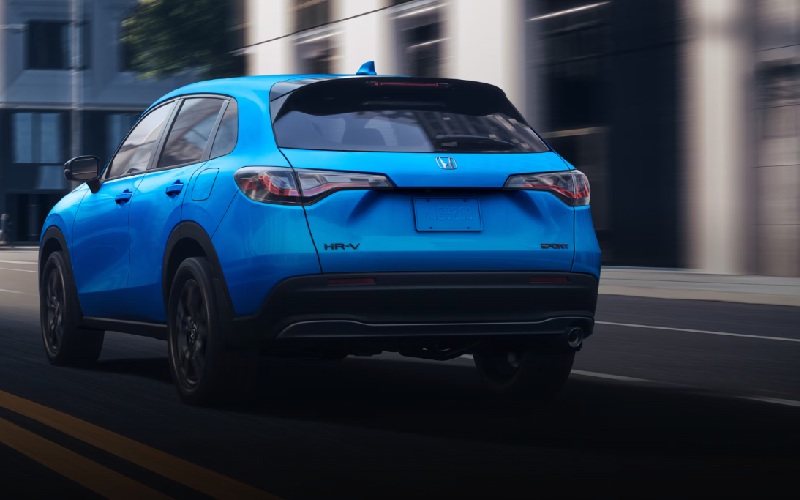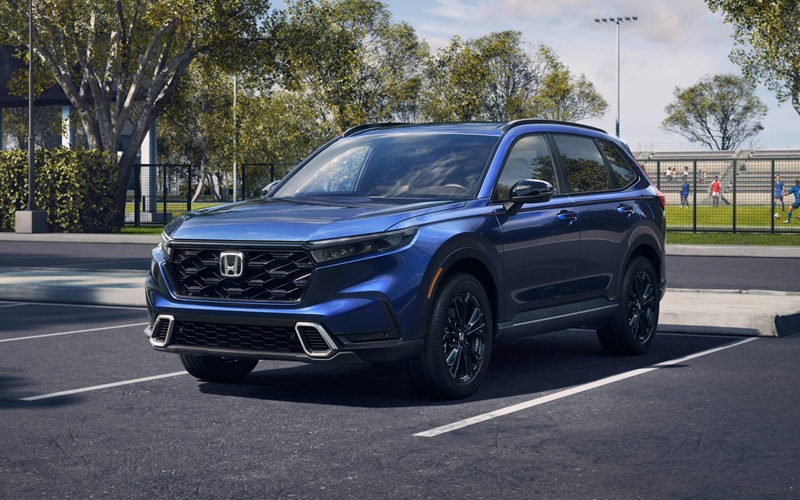

The Honda Civic continues to prioritize passenger comfort and driving dynamics in the compact sedan segment. This vehicle balances daily usability with responsive handling that makes both commuting and recreational driving pleasant. The Civic engineering focuses on creating a refined driving environment that reduces fatigue during extended trips while maintaining the control and feedback that drivers expect from the Honda compact car lineup.
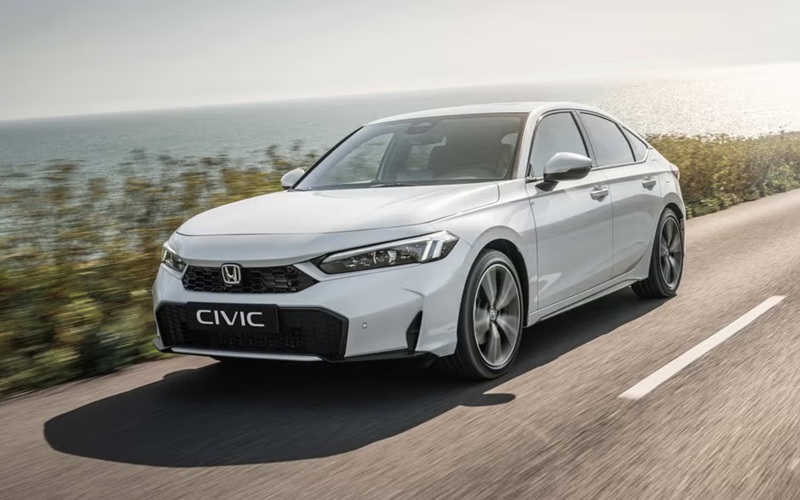
Honda Civic ride comfort benefits from advanced suspension tuning and sound-dampening materials that minimize road noise and vibration transmission to the cabin. The vehicle’s structure incorporates design elements specifically intended to create a smooth, controlled ride quality across various road surfaces and driving conditions.
Honda Civic Ride Comfort Systems and Features
The suspension system in the Honda Civic uses a MacPherson strut design up front and a multi-link independent rear suspension. This configuration provides a balance between ride comfort and handling precision. The front struts include coil springs and shock absorbers tuned to absorb road irregularities while maintaining tire contact with the road surface.
The multi-link rear suspension allows each wheel to move independently, helping maintain stability over uneven road surfaces and during cornering. This design reduces the transfer of road imperfections from one side of the vehicle to the other, contributing to overall ride smoothness.
Sound insulation materials throughout the cabin help reduce wind, road, and engine noise that can cause driver fatigue during longer trips. The door seals, floor panels, and roof areas include acoustic-damping materials that create a quieter interior environment. This attention to noise reduction allows passengers to converse at normal voice levels even at highway speeds.
The seating system contributes significantly to ride comfort through ergonomic design and supportive materials. Front seats include multiple adjustment positions to accommodate different driver heights and preferences. The seat cushions and backrests are designed to provide support during extended driving periods while allowing easy entry and exit from the vehicle.
Climate control systems maintain comfortable cabin temperatures regardless of external weather conditions. The heating and air conditioning systems can quickly adjust cabin temperature and include multiple vents positioned throughout the interior to ensure even air distribution. Automatic climate control systems adjust fan speed and temperature settings based on cabin conditions and driver preferences.
Honda Civic Driving Control and Responsiveness
Honda Civic driving control systems work together to provide responsive and predictable handling characteristics. The electric power steering system offers variable assistance that adjusts based on vehicle speed and driving conditions. At low speeds, the system provides more assistance for easier parking and maneuvering, while at highway speeds, it reduces assistance to improve road feel and stability.
The steering system includes a quick ratio that allows precise control with minimal steering wheel input. This design characteristic makes the vehicle responsive to driver inputs while maintaining stability on the highway. The steering wheel position and angle are designed to provide a natural driving position that reduces arm and shoulder fatigue.
Brake system design emphasizes a consistent pedal feel and stopping power across various driving conditions. The front disc brakes provide strong stopping power for normal and emergency braking situations. The brake pedal travel and effort are calibrated to provide a predictable response, allowing drivers to modulate braking force smoothly.
The vehicle’s center of gravity and weight distribution contribute to balanced handling characteristics. The engine placement and overall vehicle design create a weight distribution that promotes neutral handling behaviour. This balance helps the vehicle respond predictably to steering inputs and maintains stability during cornering and lane changes.
Electronic stability control systems monitor vehicle behaviour and can apply individual wheel brakes or adjust engine power to help maintain control during challenging driving situations. These systems work automatically in the background and activate only when sensors detect that the vehicle is beginning to lose traction or stability.
Honda Civic Comfort Features and Interior Design
The interior layout prioritizes driver and passenger comfort through thoughtful placement of controls and storage areas. The dashboard design positions frequently used controls within easy reach of the driver without requiring excessive stretching or awkward hand positions. Climate controls, audio system controls, and other essential functions are logically grouped and clearly labelled.
Seat materials and construction focus on durability and comfort during extended use. The fabric or upholstery materials are selected for breathability and wear resistance. Seat cushion density and contouring provide support for different body types while allowing comfortable positioning during long drives.
Interior storage solutions include door pockets, center console storage, and cup holders positioned for easy access without interfering with driving controls. These storage areas accommodate personal items, beverages, and small electronic devices that passengers commonly carry.
The cabin space utilizes efficient packaging to maximize passenger room within the vehicle’s exterior dimensions. Legroom and headroom measurements provide adequate space for adult passengers in both front and rear seating positions. The door openings are sized to allow easy entry and exit without requiring excessive bending or stretching.
Visibility from the driver’s seat includes clear sightlines through all windows and mirrors. The windshield and side window angles provide good forward and peripheral vision. The rear window and mirror system allows adequate rearward visibility for safe backing and lane-changing maneuvers.
Suspension and Handling Dynamics
Honda engineers tune the Civic suspension to balance comfort and handling through careful calibration of spring rates and shock absorber settings. The system controls wheel motion while maintaining enough compliance to absorb road irregularities smoothly.
Spring rates are selected to support the vehicle’s weight while providing appropriate ride frequency for passenger comfort. The springs work with the shock absorbers to control wheel movement and prevent excessive bouncing or floating sensations over road undulations.
Shock absorber valving controls how quickly the suspension moves during compression and rebound. Engineers tune the valving to deliver the right level of damping for different driving conditions, from smooth highway cruising to more aggressive cornering.
The suspension geometry includes specific angles and mounting points that influence handling characteristics. Camber, caster, and toe angles are set to provide stable straight-line tracking while allowing responsive steering input during turns. These geometric relationships also influence tire wear patterns and overall vehicle stability.
Anti-roll bars in the front and rear suspension systems help control body roll during cornering. These bars connect the left and right suspension components and transfer some of the cornering forces from the outside wheels to the inside wheels, reducing the body lean passengers experience during turns.
Driver Assistance and Safety Systems
Honda Sensing suite of driver assistance technologies includes features designed to reduce driver workload and improve safety during everyday driving. These systems use cameras and sensors to monitor the driving environment and can provide warnings or take corrective actions when necessary.
Collision mitigation braking systems can detect potential frontal collisions and apply the brakes automatically if the driver does not respond to warnings. This system works at various speeds and can help reduce the severity of impacts or avoid collisions entirely in some situations.
Lane-keeping assist systems monitor lane markings and can provide steering inputs to help keep the vehicle centred in its lane. This feature reduces driver fatigue on highways and helps prevent unintentional lane departures that could lead to accidents.
Adaptive cruise control maintains a set following distance from vehicles ahead by automatically adjusting vehicle speed. This system reduces the need for constant speed adjustments in traffic and can help reduce driver fatigue during long trips.
Road departure mitigation systems can detect when the vehicle is leaving the roadway unintentionally and can apply steering or braking inputs to help guide the vehicle back onto the road surface. This feature provides an additional safety margin during situations where driver attention may be reduced.
2026 Honda Civic Frequently Asked Questions
What type of suspension does the Honda Civic use for ride comfort?
- This car uses a MacPherson strut design in the front with a multi-link independent rear suspension, which provides a balance between ride comfort and handling precision while allowing each wheel to move independently.
How does the Honda Civic reduce interior noise for passenger comfort?
- It includes sound insulation materials throughout the cabin, including acoustic dampening materials in door seals, floor panels, and roof areas that reduce wind noise, road noise, and engine noise transmission to the interior.
What steering characteristics does the Honda Civic provide for driving control?
- This car features electric power steering with variable assistance that adjusts to vehicle speed, providing more assistance at low speeds for easier maneuvering and less at highway speeds for better road feel and stability.
How do the Honda Civic driver assistance systems improve everyday driving?
- Honda Sensing suite includes collision mitigation braking, lane keeping assist, adaptive cruise control, and road departure mitigation systems that monitor the driving environment and can provide warnings or corrective actions to reduce driver workload and improve safety.
What interior design features contribute to Honda Civic comfort?
- The interior prioritizes comfort through ergonomic seat design with multiple adjustments, thoughtful control placement within easy reach, efficient cabin space packaging for adequate legroom and headroom, and strategic storage solutions for personal items.
Disclaimer: Content contained in this post is for informational purposes only and may include features and options from US or internacional models. Please contact the dealership for more information or to confirm vehicle, feature availability.