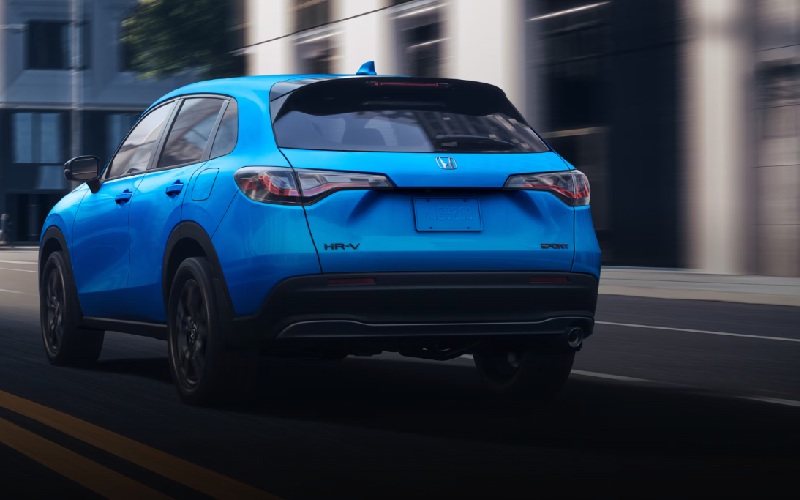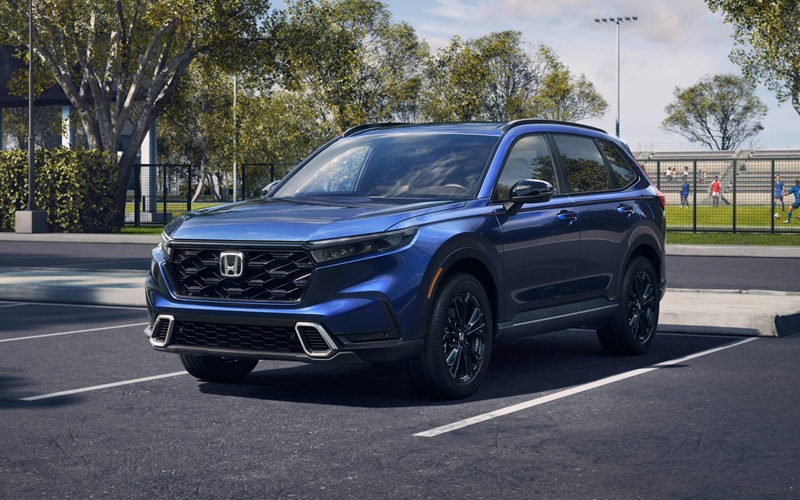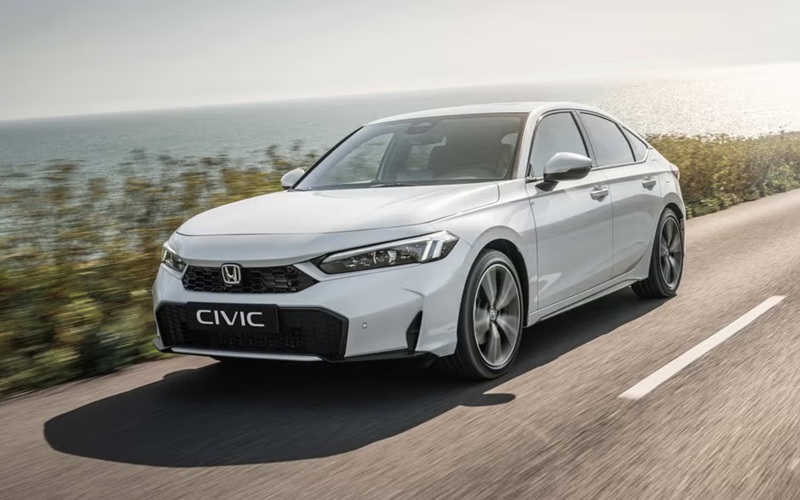

The regenerative braking system in Honda hybrid and electric vehicles represents a significant advancement in automotive efficiency technology. This sophisticated system transforms conventional braking from an energy-wasting process into an opportunity for energy recovery and storage. When you decelerate or apply the brakes in your Honda hybrid or electric vehicle, the system captures kinetic energy that would otherwise be lost as heat and converts it into electrical energy to recharge the battery.
What makes the Honda regenerative braking system stand out? Let’s take a closer look at this innovative technology that has become a hallmark feature of Honda electrified vehicles like the CR-V Hybrid, Accord Hybrid, and Civic Hybrid.
How Honda Regenerative Braking Works
The regenerative braking system in your Honda comprises several sophisticated components working together to capture, convert, and store energy efficiently.
Electric Motor-Generator Unit
At the heart of your Honda regenerative braking system sits the electric motor-generator unit. This dual-purpose component serves as a motor when drawing power from the battery to propel the vehicle and transforms into a generator during deceleration or braking. The advanced synchronous AC motor-generator can produce up to 30 kW of regenerative power during maximum braking events.
The motor-generator’s ability to switch functions nearly instantaneously is key to the system’s effectiveness. When you release the accelerator or apply the brakes, the vehicle’s computer signals the motor-generator to reverse its operation, creating resistance that both slows your Honda and generates electricity.
Power Control Unit
The power control unit (PCU) functions as the brain of the regenerative braking system. This sophisticated electronic controller manages electricity flow between the motor-generator and the battery. During regenerative braking, the PCU converts the AC electricity produced by the motor-generator into DC electricity suitable for battery storage.
The latest-generation Honda PCU utilizes advanced silicon carbide semiconductors instead of traditional silicon components. This technology enables more efficient energy conversion, with less energy lost as heat during the AC-to-DC conversion. The unit processes more than 20,000 calculations per second to optimize energy recovery in real-time based on your driving conditions.
High-Voltage Battery System
The electricity generated during braking is stored in a high-voltage lithium-ion battery pack. Modern Honda hybrids feature enhanced battery systems with improved chemistry that enable higher charge acceptance during regenerative braking.
Integrated Vehicle Systems
Your Honda regenerative braking system doesn’t operate in isolation—it works in coordination with multiple vehicle systems to optimize overall performance and efficiency.
Coordination with Adaptive Cruise Control
When you engage the adaptive cruise control system in your Honda, the vehicle intelligently manages deceleration using regenerative braking. As the system detects slower traffic ahead and reduces speed, it prioritizes regenerative braking before applying the friction brakes, maximizing energy recovery during cruise-controlled driving.
The latest Honda models feature enhanced predictive capabilities that analyze the behaviour of vehicles ahead to anticipate speed changes earlier, enabling more gradual, efficient regenerative deceleration.
Integration with Navigation System
In select Honda models, the regenerative braking system works in harmony with the onboard navigation system through a feature called “Predictive Efficiency Assist.” When you enter a destination, the system analyzes the route for upcoming hills, curves, speed limit changes, and traffic conditions.
This foresight allows your vehicle to optimize regenerative braking opportunities. For example, when approaching a downhill section, the system may reduce engine charging to anticipate the abundant regenerative energy available from the descent.
Vehicle Stability Assist Integration
During slippery conditions, aggressive regenerative braking could potentially affect vehicle stability. The Honda vehicle stability assist system continuously monitors wheel slip and automatically reduces regenerative braking force if it detects potential stability issues.
This integration ensures that energy recovery never compromises your vehicle control or safety, automatically adjusting regenerative braking intensity based on road conditions without requiring your intervention.
Service Requirements for Your Honda Regenerative Braking System
One of the most significant benefits of the regenerative braking system is its minimal maintenance requirements. The system is designed for reliability and longevity, but proper service is still essential for optimal performance.
Regular Diagnostic Checks
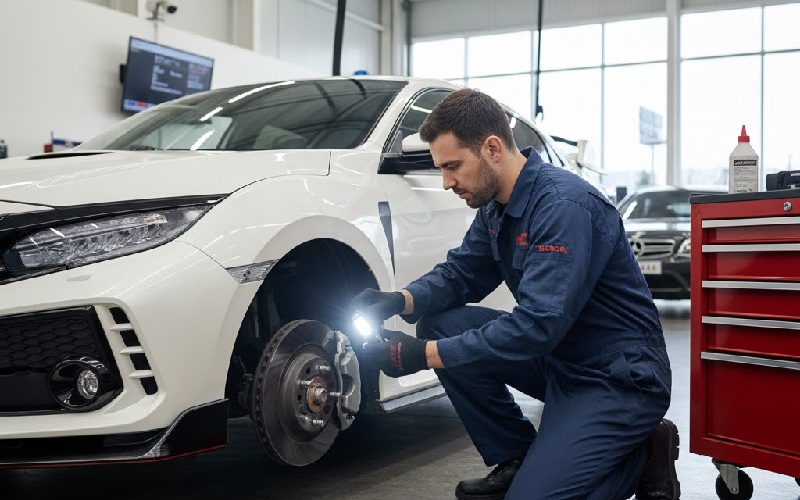
During standard service intervals at your Honda dealership, technicians perform diagnostic checks on the regenerative braking system to ensure all electrical components are functioning correctly. These checks include:
- Verification of proper operation of the motor-generator unit
- Assessment of power control unit performance
- Battery system health evaluation
- Testing of integration with other vehicle systems
- Confirmation of energy recovery rates
Reduced Conventional Brake Maintenance
The regenerative braking system significantly reduces wear on your conventional friction brakes. By capturing energy during deceleration before the friction brakes engage, the system extends the life of your brake pads and rotors.
This reduction in conventional brake use provides several benefits:
- Extended brake pad life, often lasting twice as long as in non-hybrid models
- Reduced brake dust and environmental impact
- Fewer brake service appointments
- Lower lifetime ownership costs
Brake Fluid Service
Despite reduced wear on brake pads, Honda still recommends brake fluid changes at regular intervals. Fresh brake fluid ensures optimal performance of both the conventional hydraulic braking system and the regenerative braking system’s integration components.
For most Honda hybrid models, brake fluid service is typically recommended every 3 years, regardless of distance driven. This maintenance schedule helps preserve the performance of the entire braking system and prevents potential issues from contaminated or degraded fluid.
Honda Battery System Maintenance
The health of your high-voltage battery system directly affects regenerative braking performance. Proper battery maintenance ensures optimal energy recovery and storage.
Driving Habits for Battery Health
How you drive your Honda hybrid significantly impacts battery health and regenerative braking efficiency. Consider these driving practices to maintain optimal performance:
- Drive your vehicle regularly to keep the battery cycling properly
- Utilize regenerative braking by anticipating stops and gradually releasing the accelerator
- Avoid leaving the vehicle unused for extended periods with a depleted battery
- Use the paddle shifters (when equipped) to adjust regenerative braking levels based on driving conditions
Temperature Management
Temperature extremes can affect your Honda hybrid’s battery performance and regenerative braking efficiency. The battery management system includes cooling components that require proper maintenance:
- Park in shaded areas when possible to protect the battery from excessive heat
- Ensure battery cooling vents remain free of debris and blockages
- Follow the recommended maintenance schedule for the cooling system
- During extreme temperature conditions, allow the vehicle to warm up or cool down before demanding maximum performance
Professional Battery System Inspection
While the hybrid battery systems are designed for longevity, regular professional inspections help maintain peak performance:
- Schedule battery system checks during regular service intervals
- Have technicians verify proper cooling system function
- Ensure all electrical connections remain secure and corrosion-free
- Address any battery-related warning lights immediately
Regenerative Braking Levels
Many Honda hybrid models feature selectable regenerative braking levels that allow you to customize the driving experience and energy recovery rate.
Paddle Shifter Operation
Models like the CR-V Hybrid and Accord Hybrid include paddle shifters behind the steering wheel that control regenerative braking intensity:
- Pull the left paddle to increase regenerative braking (stronger deceleration)
- Pull the right paddle to decrease regenerative braking (milder deceleration)
- Most models offer 4-5 distinct regenerative braking levels
- Higher levels provide stronger deceleration and greater energy recovery
When to Adjust Regenerative Braking Levels
Adjusting regenerative braking levels can optimize your driving experience in different situations:
- Increase regenerative braking when descending hills to maximize energy recovery
- Reduce regenerative braking on slippery surfaces for more gradual deceleration
- Use higher levels in stop-and-go traffic to minimize brake pedal use
- Select lower levels for highway cruising when frequent deceleration isn’t needed
How to Fix Common Regenerative Braking Issues
While the Honda regenerative braking systems are known for reliability, occasional issues may arise that require attention.
Warning Indicators
Pay attention to these warning signs that might indicate regenerative braking system issues:
- Battery system warning lights on the dashboard
- Unusual deceleration behaviour when releasing the accelerator
- Conventional brakes engaging more frequently or earlier than normal
- Reduced fuel economy in hybrid models
- Inconsistent brake pedal feel or responsiveness
Professional Diagnosis and Repair
If you notice any of the warning signs, schedule service with a qualified Honda technician who can:
- Perform comprehensive diagnostic testing using specialized equipment
- Identify specific components requiring attention
- Update system software if necessary
- Replace or repair affected components
- Reset system parameters for optimal operation
Benefits of Regular Honda Regenerative Braking Service
Maintaining your Honda regenerative braking system through regular service offers numerous advantages:
- Maximum energy recovery and fuel efficiency
- Extended high-voltage battery life
- Reduced conventional brake wear and replacement costs
- Consistent braking performance and pedal feel
- Early identification of potential issues before they become major problems
- Preservation of your Honda resale value
Book a Honda Service
The regenerative braking system in your Honda represents cutting-edge automotive technology that delivers improved efficiency, reduced maintenance, and enhanced driving experience. By understanding how the system works and following the Honda service recommendations, you can ensure this sophisticated technology continues to perform optimally throughout your ownership experience.
Whether you drive a CR-V Hybrid, Accord Hybrid, or Civic Hybrid, proper maintenance of the regenerative braking system helps you maximize the benefits of your Honda electrified powertrain. Visit your Honda dealership today to explore the regenerative braking system’s advanced features and experience its capabilities firsthand with a test drive.
Disclaimer: Content contained in this post is for informational purposes only and may include features and options from US or international models. Please contact the dealership for more information or to confirm vehicle, feature availability.