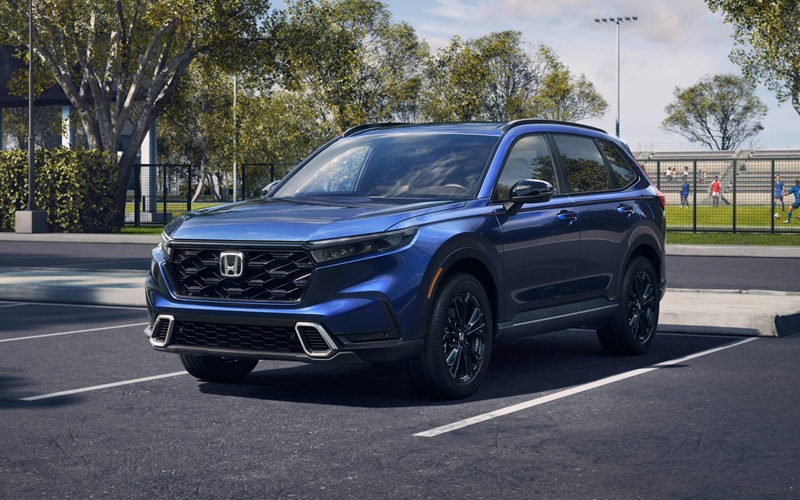

The Honda service department is a critical component in maintaining vehicle performance and extending its operational life. These authorized service centers follow standardized procedures designed to address both routine maintenance needs and complex repair requirements. Professional technicians work with factory-approved equipment and genuine parts to ensure each vehicle receives appropriate care based on its specific model and usage patterns.
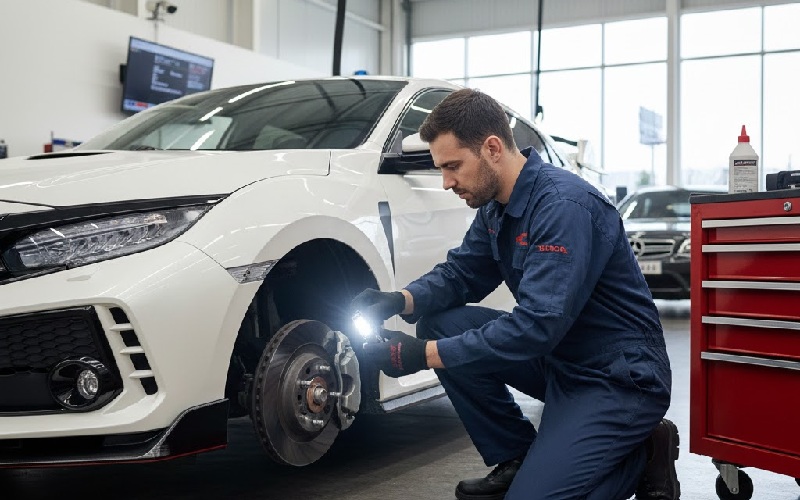
Honda maintenance planning begins with understanding each vehicle’s unique requirements and operating conditions. Service departments maintain detailed records of each vehicle’s maintenance history, allowing technicians to track patterns and anticipate future service needs. This systematic approach helps prevent unexpected breakdowns while maintaining optimal performance throughout the vehicle’s operational life.
The relationship between proper maintenance and long-term Honda reliability has been established through decades of data collection and analysis. Vehicles that receive regular service according to manufacturer specifications typically experience fewer major repairs and maintain higher resale values compared to those with irregular maintenance histories.
Honda Service Department Operations and Standards
Honda service departments operate under strict quality standards that govern every aspect of maintenance and repair procedures. These standards ensure consistency across all authorized service locations, regardless of geographic location or facility size. Technicians must complete specific training programs and maintain current certifications to work on Honda vehicles.
Service departments use specialized diagnostic equipment designed specifically for Honda vehicles. This equipment connects directly to vehicle computer systems to identify potential issues before they become major problems. The diagnostic process includes comprehensive system checks that examine engine performance, transmission operation, brake function, and electronic system status.
Quality control procedures require documentation of all service performed on each vehicle. This documentation includes parts used, procedures completed, and any recommendations for future service. The detailed record-keeping system helps ensure that warranty requirements are met and provides valuable information for future service visits.
Honda Maintenance Planning Systems and Procedures
Honda maintenance planning involves creating customized service schedules based on individual vehicle usage patterns and operating conditions. Factors considered include annual mileage, driving conditions, climate, and vehicle age. This individualized approach ensures that each vehicle receives appropriate care without unnecessary service procedures.
The planning process begins with an analysis of the vehicle’s current condition and maintenance history. Technicians review previous service records to identify any patterns or recurring issues that may require special attention. This review helps establish priorities for upcoming service visits and identifies components that may need replacement or adjustment.
Service planning also considers seasonal requirements and regional factors that may affect vehicle performance. Vehicles operated in harsh climates or challenging conditions may require more frequent service intervals for certain components. The planning system adjusts recommendations accordingly to maintain optimal performance and reliability.
Maintenance schedules are updated regularly based on new technical information and field experience. Honda engineers continuously analyze service data to identify opportunities to improve maintenance procedures and intervals. These updates are distributed to all authorized service departments to ensure consistent application of the latest recommendations.
Honda Service Intervals and Scheduling Requirements
Honda service intervals are established through extensive testing and real-world data analysis. Engineers evaluate component wear patterns under various operating conditions to determine optimal service timing. These intervals balance the need for preventive maintenance with practical considerations such as cost and convenience for vehicle owners.
Standard service intervals typically include oil changes, filter replacements, fluid checks, and visual inspections of key components. More extensive service procedures are scheduled at longer intervals and may include transmission service, brake system inspection, and timing belt replacement. Each service level addresses specific maintenance needs based on vehicle age and mileage.
Severe service conditions require modified maintenance schedules with shorter intervals between service visits. These conditions include frequent towing, stop-and-go driving, extreme temperatures, and dusty environments. Service departments identify vehicles operating under severe conditions and adjust maintenance schedules accordingly.
The scheduling system also accounts for seasonal maintenance requirements, such as cooling system service before summer months and battery testing before winter weather. This proactive approach helps prevent weather-related breakdowns and ensures reliable operation year-round.
Technician Certification and Training Programs
Honda technicians complete rigorous training programs that cover both general automotive principles and Honda-specific procedures. Initial certification requires successful completion of classroom instruction and hands-on practical exercises. Ongoing education ensures technicians stay current with new technologies and service procedures.
Training programs include instruction on diagnostic procedures, repair techniques, and proper use of specialized tools and equipment. Technicians learn to interpret diagnostic codes, perform system tests, and identify root causes of vehicle problems. This thorough training enables accurate diagnosis and efficient repair procedures.
Advanced certification levels are available for technicians who specialize in specific systems such as hybrid powertrains, advanced driver assistance systems, or performance modifications. These specialized certifications ensure that technicians with appropriate expertise and training perform complex repairs.
Continuing education requirements mandate regular updates on new vehicle technologies and service procedures. Technicians attend training sessions, complete online courses, and participate in hands-on workshops to maintain their certifications. This ongoing education ensures that service quality remains consistent as vehicle technology evolves.
Honda Genuine Parts and Quality Standards
Honda genuine parts are manufactured to exact specifications using the same materials and processes as original equipment components. These parts undergo rigorous testing to ensure they meet performance, durability, and safety requirements. Quality control procedures verify that each part meets the Honda standards before it reaches service departments.
The parts distribution system ensures that authorized service departments have access to the complete range of Honda genuine parts. Inventory management systems track part usage patterns and automatically reorder frequently used components. This system minimizes delays in service completion while maintaining cost-effective inventory levels.
Parts warranty coverage protects against defects and premature failure. Honda genuine parts typically carry longer warranty periods compared to aftermarket alternatives. This warranty coverage demonstrates confidence in part quality and provides additional value for vehicle owners.
Installation procedures for Honda genuine parts follow specific guidelines designed to ensure proper fit and function. Technicians receive training on correct installation techniques and torque specifications for each component. Proper installation is essential for achieving the expected performance and durability from genuine parts.
Honda Long-Term Reliability Through Proper Service
Honda long-term reliability depends on consistent adherence to maintenance schedules and use of appropriate service procedures. Vehicles that receive regular maintenance according to Honda specifications typically operate reliably for many years and high mileage totals. This reliability translates into lower total ownership costs and higher resale values.
Preventive maintenance identifies and addresses potential problems before they cause major component failures. Regular inspections allow technicians to detect wear patterns, fluid leaks, and other issues that could lead to expensive repairs if left unaddressed. Early intervention typically results in less costly repairs and minimal vehicle downtime.
Long-term reliability also benefits from maintaining detailed service records that document all maintenance and repairs performed on each vehicle. These records help identify patterns that may indicate underlying issues requiring attention. Complete service documentation also supports warranty claims and enhances resale value.
The cumulative effect of proper maintenance extends beyond individual components to overall vehicle performance and efficiency. Well-maintained vehicles typically achieve better fuel economy, produce lower emissions, and provide more reliable transportation compared to vehicles with irregular maintenance histories.
Service Record Management and Documentation
Honda service departments maintain detailed electronic records of all service performed on each vehicle. These records include dates of service, procedures completed, parts installed, and technician notes regarding vehicle condition. The electronic system allows easy access to service history from any authorized Honda service location.
Record-keeping systems track warranty coverage for both the vehicle and individual components. This information helps ensure that warranty repairs are properly identified and processed. Accurate warranty tracking protects vehicle owners from unnecessary charges for covered repairs.
Service records also include recommendations for future maintenance based on current vehicle condition and usage patterns. These recommendations help vehicle owners plan for upcoming service needs and budget accordingly. Proactive maintenance planning reduces the likelihood of unexpected breakdowns and expensive emergency repairs.
The documentation system generates maintenance reminders based on time and mileage intervals. These reminders help ensure that important service procedures are not overlooked or delayed. Timely maintenance is essential for maintaining warranty coverage and achieving optimal vehicle reliability.
Frequently Asked Questions
What factors determine Honda service intervals for individual vehicles?
- Engineers determine service intervals through extensive testing and real-world data analysis. They consider factors such as annual mileage, driving conditions, climate, and vehicle age to create customized service schedules.
How do Honda technicians maintain their certifications?
- They complete rigorous initial training programs and must participate in continuing education through training sessions, online courses, and hands-on workshops to maintain their certifications and stay up to date on new technologies.
What makes Honda genuine parts different from aftermarket alternatives?
- They are manufactured to exact specifications using the same materials and processes as original equipment components, undergo rigorous testing, and typically carry longer warranty periods compared to aftermarket alternatives.
How do Honda service departments track vehicle maintenance history?
- They maintain detailed electronic records of all service performed, including dates, procedures, parts installed, and technician notes, which can be accessed from any authorized Honda service location.
What role does preventive maintenance play in long-term vehicle reliability?
- Preventive maintenance identifies and addresses potential problems before they cause major component failures, allowing technicians to detect wear patterns and issues early, typically resulting in less costly repairs and minimal vehicle downtime.
Disclaimer: Content contained in this post is for informational purposes only and may include features and options from US or internacional models. Please contact the dealership for more information or to confirm vehicle, feature availability.