

As temperatures drop and snow begins to fall, the importance of proper winter tires becomes clear for every driver facing cold-weather conditions. Winter tires service encompasses everything from selecting the right tires for your vehicle to professional installation, seasonal storage, and ongoing maintenance.
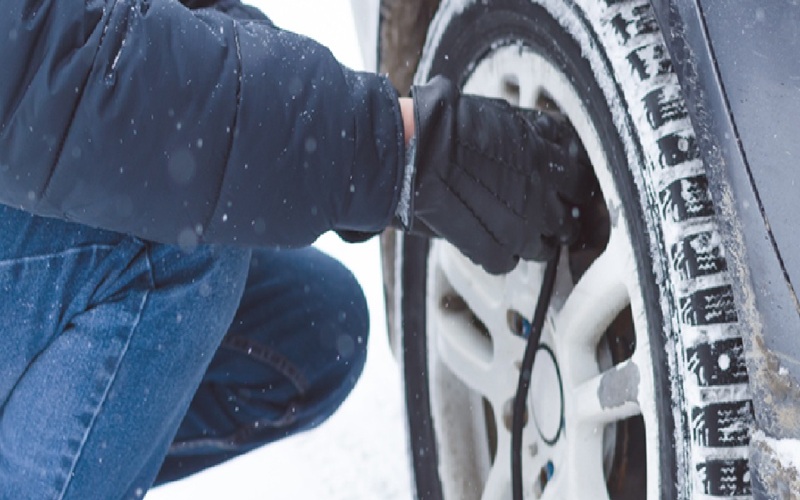
The Importance of Winter Tires
Winter tires represent a crucial safety upgrade when temperatures consistently fall below 7°C. Unlike all-season or summer options, winter tires are specifically engineered to perform in cold temperatures, snow, ice, and slush.
- Specialized rubber compounds remain flexible in freezing temperatures
- Unique tread patterns provide superior grip on snow and ice
- Deeper treads effectively channel away slush and water
- Distinctive siping (small slits in the tread blocks) creates additional biting edges for traction
The difference between winter options and other options becomes immediately apparent when you need to stop suddenly on an icy road or navigate through fresh snow. Studies consistently show that winter tires reduce stopping distances by up to 30% compared to all-season options in winter conditions.
Complete Winter Tire Service Explained
Winter tire service extends far beyond simply selling them. Professional dealerships and tire shops offer comprehensive service packages that address all aspects of winter tire ownership.
Professional Tire Assessment
Before recommending options, qualified technicians evaluate several factors:
- Your vehicle type and specifications
- Your typical driving conditions
- Current tire wear patterns
- Previous winter driving experiences
- Storage capabilities
This assessment ensures you receive personalized recommendations rather than one-size-fits-all solutions.
Expert Installation and Wheel Balancing
Proper installation forms a critical component of winter tire service, including:
- Correct mounting to avoid tire damage
- Precise wheel balancing to prevent vibration
- Proper torque application to manufacturer specifications
- TPMS (Tire Pressure Monitoring System) reset if necessary
- Inspection of related components like brake pads and suspension
Professional installation ensures your winter tires perform optimally and safely throughout the season.
Seasonal Tire Storage
Many drivers lack adequate space to properly store off-season tires. Professional storage services solve this problem with:
- Climate-controlled environments that protect tire rubber
- Proper stacking or hanging techniques to prevent deformation
- Protection from UV exposure and ozone damage
- Inventory systems that ensure your exact tires are returned
- Convenient pickup and drop-off scheduling
This service extends tire life by preventing the deterioration that often occurs with improper home storage.
Tire Changeover Schedule Management
Professional winter tire services often include scheduling systems that:
- Remind you when temperatures indicate it’s time for changeover
- Book appointments during optimal timeframes
- Prioritize appointments during seasonal rush periods
- Provide emergency services during unexpected weather events
- Maintain records of your tire rotation history
These systems help you avoid the last-minute rush that often occurs with the first snowfall.
When to Install Winter Tires
Timing your winter tire installation properly balances safety with maximizing tire lifespan.
Temperature-Based Installation
The universal guideline for winter tire installation focuses on temperature rather than calendar dates:
- Install when average daily temperatures consistently fall below 7°C
- This typically occurs between mid-October and early November in most regions
- Morning frost on vehicles often signals it’s time for the switch
- Don’t wait for the first snowfall, as appointment availability becomes limited
Early installation ensures you’re prepared for unexpected early winter weather while avoiding unnecessary wear during warmer fall days.
Regional Considerations
Different areas have varying winter onset patterns that affect installation timing:
- Coastal regions may experience later winter onset and milder conditions
- Northern areas often require earlier installation
- Urban areas with prompt snow clearing may have different needs than rural locations
- Mountainous regions with significant elevation changes demand special consideration
Your local tire professional can provide guidance specific to your region’s typical weather patterns.
Winter Tire Maintenance
Proper maintenance ensures optimal performance throughout the winter season.
Pressure Monitoring
Cold temperatures significantly impact tire pressure:
- For every 5°C drop in temperature, tire pressure typically decreases by 1 PSI
- Check pressure at least monthly during winter
- Always check when the rubber is cold for accurate readings
- Follow vehicle manufacturer’s recommended pressure levels
- Consider slight over-inflation (1-2 PSI) for severe conditions
Maintaining proper inflation improves traction, extends tire life, and enhances fuel efficiency.
Regular Inspections
Winter conditions demand more frequent tire inspections:
- Check tread depth regularly using the 6 mm recommendation for winter driving
- Inspect for damage from road hazards, often hidden by snow
- Look for uneven wear patterns that might indicate alignment issues
- Examine sidewalls for bulges or cuts that compromise safety
- Verify that valve stems remain intact and undamaged
Early identification of potential issues prevents unexpected failures during critical driving situations.
Rotation and Alignment
Professional winter tire service includes:
- Mid-season rotation to ensure even tread wear
- Alignment verification after significant impacts
- Rebalancing if vibration develops
- Torque check after approximately 100 km of driving
- Documentation of service to maintain warranty coverage
These maintenance procedures extend tire life and maintain optimal performance throughout the season.
Spring Removal and Storage
Proper spring transition completes the winter tire service cycle.
Timing Your Removal
Removing winter tires at the right time balances safety with preventing unnecessary wear:
- Wait until daily average temperatures consistently exceed 7°C
- This typically occurs between mid-March and late April
- Consider your local forecast for potential late-season storms
- Be aware that winter options wear more rapidly on warm, dry pavement
Premature removal risks driving in late-season winter conditions with inappropriate wheels, while delayed removal accelerates wear on your winter set.
Professional Removal Process
A comprehensive spring tire service includes:
- Inspection of rubber damage or unusual wear patterns
- Cleaning before storage to remove road salt and debris
- Professional storage or guidance for home storage
- Installation and balancing of all-season or summer tires
- Torque verification and safety inspection
This thorough process ensures both your winter and warm-weather tires receive proper care.
Legal Requirements and Insurance Considerations
Understanding the regulatory aspects of winter tires helps drivers make informed decisions.
Provincial Regulations
While winter tire regulations vary by province, all major insurance providers recognize their safety benefits:
- Quebec legally requires winter tires from December 1 to March 15
- British Columbia mandates winter tires on designated highways from October 1 to April 30
- Other provinces strongly recommend winter tires without legal requirements
- Commercial vehicles often face different regulations than passenger vehicles
Many insurance providers offer reduced premiums for vehicles equipped with winter tires, recognizing the safety advantages they provide.
Identification and Standards
Winter wheels must meet specific standards to qualify for regulatory compliance:
- Look for the Three-Peak Mountain Snowflake symbol on the sidewall
- This symbol indicates the tire meets specific snow traction requirements
- M+S (Mud and Snow) markings alone do not indicate a true winter tire
- Winter tires must be installed on all four wheels, not just drive wheels
Understanding these requirements ensures both legal compliance and maximum safety benefit.
Winter Tires Q&A
How much tread depth should winter tires have?
- While the legal minimum tread depth is 1.6 mm, require significantly more tread to function effectively in snow and ice. For optimal winter performance, they should have at least 6 mm of tread depth. As tread depth reaches 4 mm, winter performance begins to decline noticeably. Many professional services recommend replacing your wheels when they reach the 4 mm threshold, even though they remain technically legal.
Can I mix winter tires with all-season tires?
- No, mixing creates dangerous handling imbalances. Winter options provide significantly different traction, handling, and braking characteristics than all-seasons. When these different characteristics are combined on one vehicle, unpredictable handling results, particularly during emergency maneuvers. All four wheels should be the same type to ensure balanced, predictable handling in winter conditions.
How many seasons do winter tires typically last?
- Quality options typically last 3-4 winter seasons under average driving conditions. However, this varies significantly based on several factors, including driving style, road conditions, and proper maintenance. Aggressive driving, frequent travel on cleared highways at high speeds, and improper inflation all accelerate wear. Professional storage between seasons can extend tire life by preventing rubber degradation from improper storage conditions.
Why do my winter tires make more noise than my all-season tires?
- They typically produce more road noise than all-season or summer options due to their more aggressive tread patterns. The deeper treads, wider grooves, and more biting edges that provide superior winter traction also generate more vibration and air compression, resulting in higher noise. This trade-off between traction and noise reflects a deliberate design choice by manufacturers, who prioritize safety over comfort in winter driving conditions.
Are studded winter tires better than studless winter tires?
- Studded options provide superior traction, specifically on clear ice, but offer minimal advantages in other conditions. Modern studless cold-weather options have largely closed the performance gap on ice while delivering better performance in other winter conditions, such as deep snow, slush, and wet roads. Studless options also produce less road noise, cause no road damage, and face no usage restrictions that exist for studded wheels in certain jurisdictions. For most drivers, premium studless winter options now represent the optimal balance of performance across all winter conditions.
Disclaimer: Content contained in this post is for informational purposes only and may include features and options from US or international models. Please contact the dealership for more information or to confirm vehicle, feature availability.