
Choosing between financing and leasing a new vehicle is one of the biggest decisions Canadian shoppers make during the buying process. Monthly payments often receive the most attention, but understanding how those payments are calculated provides a much clearer picture of the overall cost of ownership.
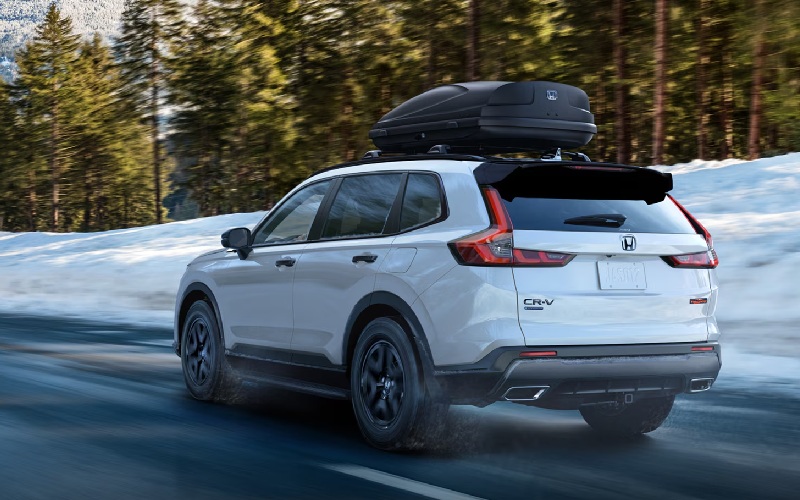
The payment comparison published in Honda Canada’s dealer brochure helps explain this process by breaking down the components that make up the vehicle price and illustrating how financing programs, lease programs, interest rates, and available rebates influence monthly payments on Honda vehicles, including the CR-V.
2026 Honda CR-V Vehicle Price
Before comparing finance and lease payments, it is important to understand how the total vehicle price is calculated.
MSRP
MSRP stands for Manufacturer’s Suggested Retail Price. It is the starting price established by the manufacturer before mandatory delivery charges and regional fees are added.
Freight & PDI
Freight and PDI (Pre-Delivery Inspection) are standard charges included with the purchase of a new vehicle.
These costs generally cover:
- Transportation from the factory
- Vehicle preparation
- Mechanical inspection
- Cleaning
- Dealer delivery preparation
Because these charges are mandatory, they become part of the amount being financed or leased.
Regional Fees
Regional fees are additional charges that vary depending on where the vehicle is sold in Canada. Although relatively small compared to MSRP, these fees contribute to the total vehicle cost.
Total Vehicle Price (TTL)
After combining all required charges, the brochure lists the Total Vehicle Price (TTL). This is the value used when calculating both financing and leasing payments before rebates and financing programs are applied.
Finance Rebates
Manufacturer finance rebates lower the amount that must be financed. Unlike promotional interest rates, rebates immediately reduce the financed balance. Because this rebate reduces the financed amount, buyers borrow slightly less money than they otherwise would.
Even a relatively modest rebate can reduce:
- monthly payments
- total interest paid
- total financing cost over the loan term
Finance Rate
The finance rate is the annual interest rate charged on the financed balance. Interest rates directly affect monthly payments. Longer loan terms generally lower monthly payments but may use different promotional rates depending on the manufacturer’s current programs.
Monthly Finance Payments
Using the figures shown below, Honda illustrates two financing examples for a CR-V.
84-Month Financing
- Finance rebate: $500
- Interest rate: 4.79%
- Monthly payment: $755
96-Month Financing
- Finance rebate: $500
- Interest rate: 6.69%
- Monthly payment: $725
Although the 96-month payment is lower each month, the loan extends for an additional year and carries a higher advertised interest rate.
When evaluating financing, shoppers should consider:
- monthly affordability
- total interest paid
- length of ownership
- long-term financial goals
A lower payment does not always mean the vehicle costs less overall.
Lease Rebates
Lease rebates work similarly to finance rebates but apply specifically to lease calculations. Instead of reducing a financed balance, the rebate lowers the amount used to determine lease payments. This incentive helps reduce the monthly lease payment shown in the brochure.
Lease Rate
Lease payments are also affected by an interest rate, commonly called the lease rate. Lease rates differ from finance rates because leasing covers only the vehicle’s expected depreciation during the lease term, rather than the vehicle’s entire purchase price.
CR-V Finance vs Lease: What’s the Difference?
Although financing and leasing may appear similar because both involve monthly payments, they work quite differently.
Financing
When financing:
- You purchase the vehicle.
- Monthly payments gradually build ownership.
- Once the loan is paid in full, you own the CR-V outright.
- There are generally no mileage restrictions.
- Owners can keep the vehicle as long as they wish.
Financing is often preferred by buyers planning to keep their vehicle for many years.
Leasing
Leasing is different. Instead of purchasing the vehicle immediately, you pay for the portion of the vehicle’s value used during the lease period.
Typical characteristics include:
- lower monthly payments
- fixed lease term
- mileage limits
- returning or purchasing the vehicle at lease end
Many drivers who enjoy replacing their vehicle every few years appreciate the flexibility leasing offers.
Why Monthly Payments Alone Don’t Tell the Whole Story
The Honda payment comparison demonstrates that evaluating a vehicle purchase requires more than simply comparing payment amounts.
Several factors influence what buyers actually pay:
- vehicle price
- rebates
- interest rate
- financing term
- lease term
Two vehicles with similar monthly payments may have significantly different purchase prices or financing conditions. Likewise, extending a finance term often reduces monthly payments without necessarily reducing the total amount paid over the life of the agreement. Understanding every component provides a more complete financial picture.
How Rebates Affect Financing Decisions
Although the rebate amount is identical for both programs, its impact differs depending on the payment structure. For financing, the rebate reduces the amount being financed. For leasing, it lowers the capitalized cost used to calculate lease payments. In both cases, the incentive helps reduce monthly costs, but buyers should still evaluate the full financing or leasing program rather than focusing solely on the rebate.
Compare the Two Honda Payment Examples
The brochure presents three payment illustrations for the Honda CR-V Hybrid Sport AWD:
| Program | Rate | Monthly Payment |
| Finance (84 months) | 4.79% | $755 |
| Finance (96 months) | 6.69% | $725 |
| Lease (60 months) | 4.39% | $672 |
These examples highlight how payment amounts vary depending on both the term length and the financing program selected.
Lower monthly payments can result from:
- longer finance terms
- lease structures
- manufacturer incentives
- promotional interest rates
Each option serves different ownership goals.
Questions Canadian CR-V Buyers Should Ask
Before deciding between financing and leasing, shoppers may want to ask:
- How long do I plan to keep the vehicle?
- Do I drive many kilometres each year?
- Is owning the vehicle important to me?
- Am I primarily looking for the lowest monthly payment?
- How do available rebates affect each option?
- What happens when the agreement ends?
Answering these questions helps determine which payment structure better aligns with individual needs.
Final Thoughts on Honda CR-V Financing vs Leasing
The Honda Canada payment comparison provides more than a list of monthly payments—it offers a breakdown of how those figures are calculated.
Whether financing or leasing a Honda CR-V is the better choice depends on each buyer’s priorities. Financing can be appealing for those who intend to own the vehicle long-term, while leasing may offer lower monthly payments and greater flexibility for drivers who prefer to replace their vehicle more frequently.
Understanding MSRP, mandatory fees, rebates, financing rates, lease rates, and payment calculations allows Canadian shoppers to compare options more confidently and make a more informed purchasing decision.
Disclaimer: Content contained in this post is for informational purposes only and may include features and options from US or internacional models. Please contact the dealership for more information or to confirm vehicle, feature availability.