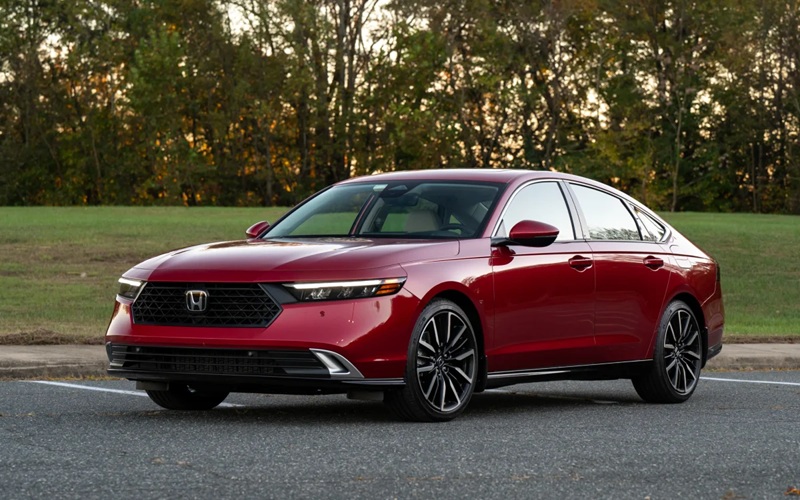

The Honda HR-V uses an electronically controlled fuel delivery system designed to maintain stable fuel pressure across varying engine loads, temperatures, and driving conditions. Fuel pressure is a critical factor in combustion efficiency, injector performance, emissions control, and engine responsiveness.

Modern Honda fuel systems operate using precision-controlled fuel pumps, electronic sensors, fuel injectors, and engine management software. In the new Honda HR-V, the fuel pressure system is engineered to deliver accurate fuel flow while supporting fuel economy, combustion stability, and emissions compliance.
The 2026 Honda HR-V Fuel System
The fuel system in the Honda HR-V is responsible for storing, pressurizing, filtering, and delivering fuel to the engine.
Its primary functions include:
- Maintaining stable fuel pressure
- Delivering accurate fuel volume
- Supporting combustion efficiency
- Reducing emissions
- Improving throttle response
- Managing cold-start operation
Modern fuel systems are electronically controlled and operate with significantly greater precision than older mechanically regulated fuel systems. The Honda HR-V uses integrated fuel-management strategies coordinated by the engine control module.
Fuel Pressure Fundamentals
Fuel pressure is the force used to move fuel from the tank through the fuel lines and into the combustion chambers via the injectors.
Importance of Fuel Pressure
Maintaining proper fuel pressure is essential for:
- Correct injector spray patterns
- Air-fuel mixture accuracy
- Combustion stability
- Engine performance
- Emissions reduction
If pressure is too low, insufficient fuel may reach the engine. If pressure is too high, excessive fuel delivery may occur. The engine management system continuously monitors and adjusts fuel pressure according to operating conditions.
Pressure Variation During Operation
Fuel pressure is not fixed at a single value during all driving situations.
Pressure changes may occur during:
- Cold starts
- Acceleration
- Highway cruising
- Deceleration
- Idle operation
- High engine load
The fuel-control system adapts dynamically to maintain efficient combustion under changing conditions.
Electric Fuel Pump System
The Honda HR-V uses an electronically controlled electric fuel pump mounted inside the fuel tank.
Fuel Pump Function
The fuel pump draws fuel from the tank and pressurizes it before sending it toward the engine.
Modern electric fuel pumps are designed to provide:
- Stable pressure delivery
- Continuous fuel circulation
- Quiet operation
- Thermal durability
- High flow consistency
The fuel pump must maintain sufficient pressure even during rapid throttle changes or sustained engine load.
Variable-Speed Fuel Pump Operation
Many modern Honda fuel systems use variable-speed pump control.
Instead of operating continuously at maximum output, the pump speed may change depending on:
- Fuel demand
- Engine load
- RPM
- Temperature
- Driving conditions
Variable-speed operation helps reduce:
- Electrical load
- Fuel heating
- Pump wear
- Energy consumption
The engine control module regulates pump performance electronically.
Fuel Rail and Pressure Distribution
The fuel rail distributes pressurized fuel evenly to the fuel injectors.
Fuel Rail Construction
The fuel rail is typically constructed from high-strength metal capable of withstanding elevated fuel pressure levels.
Its functions include:
- Fuel storage stabilization
- Pressure balancing
- Injector supply distribution
- Pressure pulse reduction
The rail helps maintain consistent injector performance across all cylinders.
Pressure Stability
Stable fuel pressure is important because injector flow rates depend directly on pressure levels.
Pressure fluctuations may affect:
- Combustion consistency
- Idle smoothness
- Fuel economy
- Emissions output
Fuel-rail design helps minimize pressure variation during injector cycling.
Fuel Injectors and Atomization
Fuel injectors deliver pressurized fuel into the engine intake system or combustion chamber.
Injector Operation
Fuel injectors use electronically controlled solenoids to open and close rapidly during engine operation.
When activated, pressurized fuel passes through precision injector nozzles and forms a fine spray pattern.
The engine control module determines:
- Injector pulse duration
- Injection timing
- Fuel quantity
These adjustments are calculated continuously according to sensor input.
Fuel Atomization
Proper fuel pressure is necessary for effective fuel atomization.
Atomization is the process of breaking fuel into fine droplets to improve mixing with intake air.
Efficient atomization improves:
- Combustion speed
- Fuel efficiency
- Cold-start performance
- Emissions control
Insufficient pressure may result in poor spray patterns and incomplete combustion.
Fuel Pressure Sensors
The Honda HR-V uses electronic sensors to monitor fuel system pressure.
Sensor Functionality
Fuel pressure sensors measure fuel pressure within the rail or supply system and send data to the engine control module.
The control module uses this information to regulate:
- Pump output
- Injector operation
- Air-fuel ratios
- Engine load compensation
Continuous monitoring helps maintain accurate pressure under changing operating conditions.
Diagnostic Capabilities
Pressure sensors also support onboard diagnostics.
The system can detect conditions such as:
- Pressure loss
- Pump malfunction
- Fuel restriction
- Sensor irregularities
Diagnostic monitoring helps protect engine performance and emissions compliance.
Fuel Pressure Regulation
Modern fuel systems use electronically controlled pressure-management strategies rather than relying solely on traditional mechanical regulators.
Electronic Pressure Control
The engine control module adjusts fuel pressure based on real-time operating conditions.
This adaptive strategy helps optimize:
- Fuel efficiency
- Injector response
- Combustion quality
- Emissions reduction
Electronic regulation allows more precise control than older vacuum-operated mechanical systems.
Returnless Fuel System Design
Many modern Honda vehicles use returnless fuel systems.
In a returnless system:
- Fuel is pressurized inside the tank
- Excess fuel circulation is minimized
- Heat buildup is reduced
- Evaporative emissions are lowered
Reducing fuel circulation also improves thermal efficiency and fuel stability.
Fuel System Engineering Considerations
Fuel pressure management is closely tied to overall engine calibration.
Combustion Optimization
The engine control module coordinates fuel pressure with:
- Ignition timing
- Air intake volume
- Variable valve timing
- Throttle position
This integrated strategy helps maintain efficient combustion across a wide operating range.
Cold-Start Fuel Delivery
Cold-start operation requires different fuel-management strategies because fuel vaporization decreases at low temperatures.
The fuel system may temporarily modify:
- Pressure levels
- Injection timing
- Injector pulse width
These adjustments improve startup stability and combustion consistency.
Fuel Filtration and Contamination Protection
Fuel cleanliness is critical for high-precision injection systems.
Fuel Filter Function
The fuel filter removes contaminants such as:
- Dirt particles
- Rust debris
- Sediment
- Water contamination
Clean fuel helps protect:
- Fuel injectors
- Pressure sensors
- Pump components
- Fuel lines
Restricted filters may reduce fuel pressure and impair engine operation.
Injector Protection
Modern injectors use extremely small nozzle openings that are sensitive to contamination.
Stable pressure and proper filtration help maintain:
- Spray-pattern consistency
- Injector responsiveness
- Combustion accuracy
Fuel-system cleanliness is especially important in electronically controlled injection systems.
Emissions and Efficiency Considerations
Fuel pressure directly affects emissions performance.
Air-Fuel Ratio Accuracy
The engine management system continuously targets precise air-fuel ratios.
Accurate fuel pressure helps maintain:
- Combustion efficiency
- Catalyst performance
- Reduced hydrocarbon emissions
- Reduced fuel consumption
Pressure instability may contribute to incomplete combustion and elevated emissions.
Evaporative Emissions Control
The fuel system also works with evaporative emissions components designed to reduce fuel vapour release.
Pressure-management strategies help limit:
- Fuel vapour formation
- Excessive fuel heating
- Tank pressure irregularities
These systems contribute to modern emissions compliance standards.
Fuel Pressure During High Load Conditions
Higher engine loads require increased fuel delivery.
Acceleration and Load Compensation
During rapid acceleration or climbing conditions, the system increases fuel delivery to maintain combustion stability.
The fuel pump and injectors must respond quickly to:
- Increased airflow
- Higher cylinder demand
- Elevated combustion pressure
Fuel pressure control ensures sufficient fuel availability during these transitions.
Thermal Considerations
Fuel systems are exposed to significant thermal variation from engine heat and environmental conditions.
Fuel pressure management helps compensate for:
- Fuel temperature changes
- Density variation
- Vapour formation risk
Thermal stability contributes to consistent injector performance.
FAQ
What type of fuel pressure system does the 2026 Honda HR-V use?
It uses an electronically controlled high-pressure fuel delivery system with an electric fuel pump, fuel rail, injectors, and pressure-monitoring sensors.
Why is fuel pressure important in the HR-V?
Fuel pressure controls injector operation and fuel atomization, both of which are essential for efficient combustion, emissions reduction, and engine performance.
Does fuel pressure change while driving?
Yes. The fuel system continuously adjusts pressure according to engine speed, load, acceleration demand, and operating conditions.
What happens if fuel pressure becomes too low?
Low fuel pressure may cause poor acceleration, rough idle, difficult starting, reduced power, and combustion instability.
How does the fuel system maintain pressure stability?
The system uses electronically controlled pump operation, fuel-pressure sensors, fuel rails, and engine-management software to continuously regulate fuel delivery.
Westwood Honda can provide additional fuel-system specifications for individual Honda HR-V trim levels and engine configurations.
Disclaimer: Content contained in this post is for informational purposes only and may include features and options from US or internacional models. Please contact the dealership for more information or to confirm vehicle, feature availability.