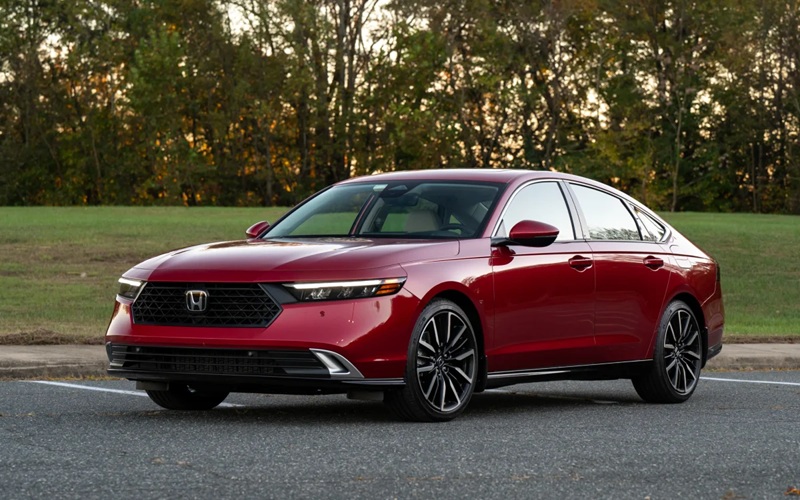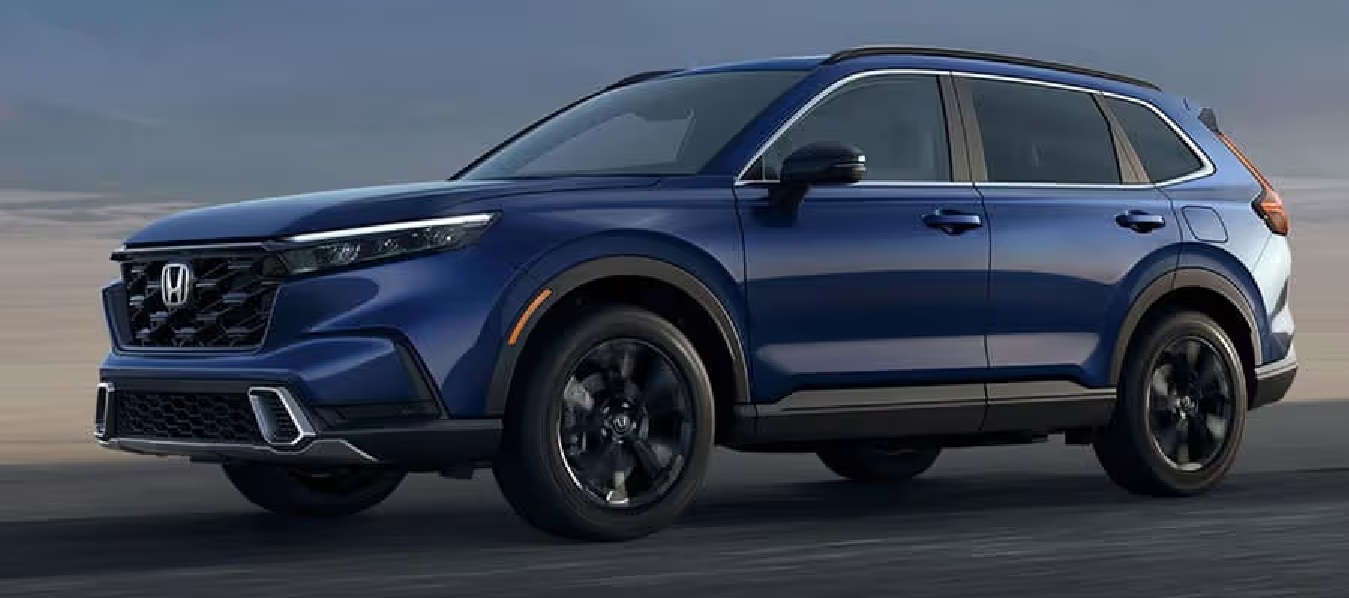

Hybrid vehicles combine traditional internal combustion engines with electric propulsion technology to improve efficiency and reduce fuel consumption. The Honda CR-V Hybrid uses a sophisticated system that integrates a gasoline engine, electric motors, and a battery pack to manage how energy is produced and used during driving.
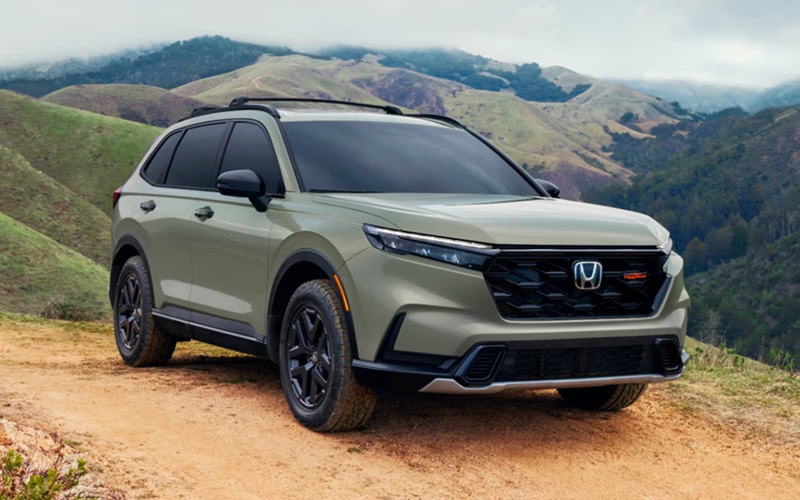
Instead of relying solely on the gasoline engine for propulsion, the hybrid system continuously determines the most efficient way to move the vehicle. In some conditions, the vehicle can operate using electric power, while in others the gasoline engine provides energy directly or generates electricity for the electric motors. These systems operate automatically and are coordinated by electronic control systems that monitor driving conditions in real time.
The Honda CR-V Hybrid Powertrain
The hybrid system in the CR-V is designed to manage energy flow between multiple components. Rather than relying on a single source of propulsion, the vehicle uses a combination of mechanical and electrical systems.
The primary components of the hybrid system include:
- Gasoline engine
- Electric traction motor
- Generator motor
- High-voltage battery
- Power control unit
- Regenerative braking system
These systems communicate with each other through electronic control modules that determine how power should be delivered during different driving situations.
Gasoline Engine Function
Internal Combustion Process
The gasoline engine operates using the traditional four-stroke combustion cycle:
- Intake of air and fuel
- Compression of the mixture
- Ignition and power generation
- Exhaust of combustion gases
The energy produced during combustion rotates the crankshaft, which generates mechanical power.
Role in the Hybrid System
In a hybrid vehicle, the gasoline engine does not always drive the wheels directly. Instead, it can perform several different roles:
- Provide power directly to the wheels during highway driving
- Generate electricity through a generator motor
- Support the electric motor when additional power is needed
This flexibility allows the vehicle to use the engine only when it is most efficient.
Electric Motor Operation
Traction Motor
The electric traction motor is responsible for driving the wheels during electric operation. Electric motors generate torque instantly, which allows the vehicle to accelerate smoothly from a stop.
Because electric motors produce strong torque at low speeds, they are particularly useful during city driving and stop-and-go traffic.
Generator Motor
The hybrid system also includes a generator motor. This motor is connected to the gasoline engine and converts mechanical energy from the engine into electrical energy.
The electricity produced can either:
- Power the traction motor
- Charge the high-voltage battery
This configuration allows the engine to act as a generator when needed.
High-Voltage Battery System
Energy Storage
The hybrid battery stores electrical energy used by the electric motor. This battery is significantly larger and more powerful than the conventional 12-volt battery used for vehicle accessories.
Energy stored in the battery can be used to:
- Propel the vehicle using the electric motor
- Assist the gasoline engine during acceleration
- Power vehicle systems when the engine is not running
Battery Location
The battery pack is typically located low within the vehicle structure to help maintain balanced weight distribution and interior space efficiency.
This placement also helps improve vehicle stability by lowering the center of gravity.
Power Control Unit
Energy Management
The power control unit acts as the central management system for the hybrid powertrain. It regulates how electricity flows between the battery, electric motors, and gasoline engine.
Sensors throughout the vehicle monitor conditions such as:
- Vehicle speed
- Throttle position
- Battery charge level
- Engine load
Using this information, the power control unit determines the most efficient operating mode.
Electrical Conversion
The power control unit also manages the conversion of electrical current between different forms.
Electric motors operate using alternating current, while the battery stores direct current. The control unit converts electricity between these forms as required.
Hybrid Driving Modes
The CR-V hybrid system operates in several different modes depending on driving conditions.
Electric Drive Mode
During low-speed driving or gentle acceleration, the vehicle may operate using only the electric motor.
In this mode, the gasoline engine remains off, and the electric motor draws energy from the battery.
Electric drive mode is commonly used during city driving and low-speed traffic.
Hybrid Drive Mode
In hybrid drive mode, the gasoline engine generates electricity through the generator motor.
This electricity powers the electric traction motor that drives the wheels. The battery may also provide additional energy when needed.
This configuration allows the engine to operate at efficient speeds while the electric motor provides propulsion.
Engine Drive Mode
At higher speeds, the gasoline engine can connect more directly to the drivetrain to provide propulsion.
This mode is typically used during steady highway driving where the gasoline engine operates efficiently.
The hybrid system automatically transitions between these modes without driver input.
Regenerative Braking System
Energy Recovery
When the driver slows the vehicle, the hybrid system captures kinetic energy that would normally be lost as heat during braking.
Instead of relying entirely on friction brakes, the electric motor operates as a generator.
As the wheels rotate during deceleration, the motor converts mechanical energy into electricity.
Battery Charging During Braking
The electricity generated during regenerative braking is sent to the high-voltage battery, where it is stored for later use.
This recovered energy can then power the electric motor during future acceleration.
Regenerative braking improves overall efficiency by recycling energy that would otherwise be wasted.
Thermal Management Systems
Hybrid systems generate heat in several components, including the engine, battery, and electric motors.
Thermal management systems regulate temperatures through cooling circuits that circulate coolant through critical components.
Maintaining proper operating temperature helps ensure system reliability and efficient performance.
Electronic Control and System Coordination
Hybrid vehicles rely heavily on electronic control systems that coordinate the operation of multiple powertrain components.
Control modules continuously analyze sensor data to determine how the vehicle should operate.
These systems manage:
- Power distribution between engine and motors
- Battery charging and discharging
- Regenerative braking operation
- Mode transitions between electric and gasoline propulsion
2026 Honda CR-V FAQ Section
What powers the 2026 Honda CR-V Hybrid?
- This SUV uses a combination of a gasoline engine, electric motors, and a high-voltage battery to propel the vehicle.
Can the CR-V Hybrid drive using electricity only?
- Yes. During certain conditions, such as low-speed driving, the vehicle can operate using only the electric motor powered by the hybrid battery.
What is regenerative braking?
- Regenerative braking captures energy during deceleration and converts it into electricity that recharges the hybrid battery.
Does the gasoline engine always drive the wheels?
- No. In some driving situations, the gasoline engine generates electricity instead of directly powering the wheels.
What system controls the hybrid powertrain?
- A power control unit manages the interaction between the gasoline engine, electric motors, and battery to optimize efficiency and performance.
Disclaimer: Content contained in this post is for informational purposes only and may include features and options from US or internacional models. Please contact the dealership for more information or to confirm vehicle, feature availability.