

Honda
2026 Honda CR-V Hybrid Sport AWD
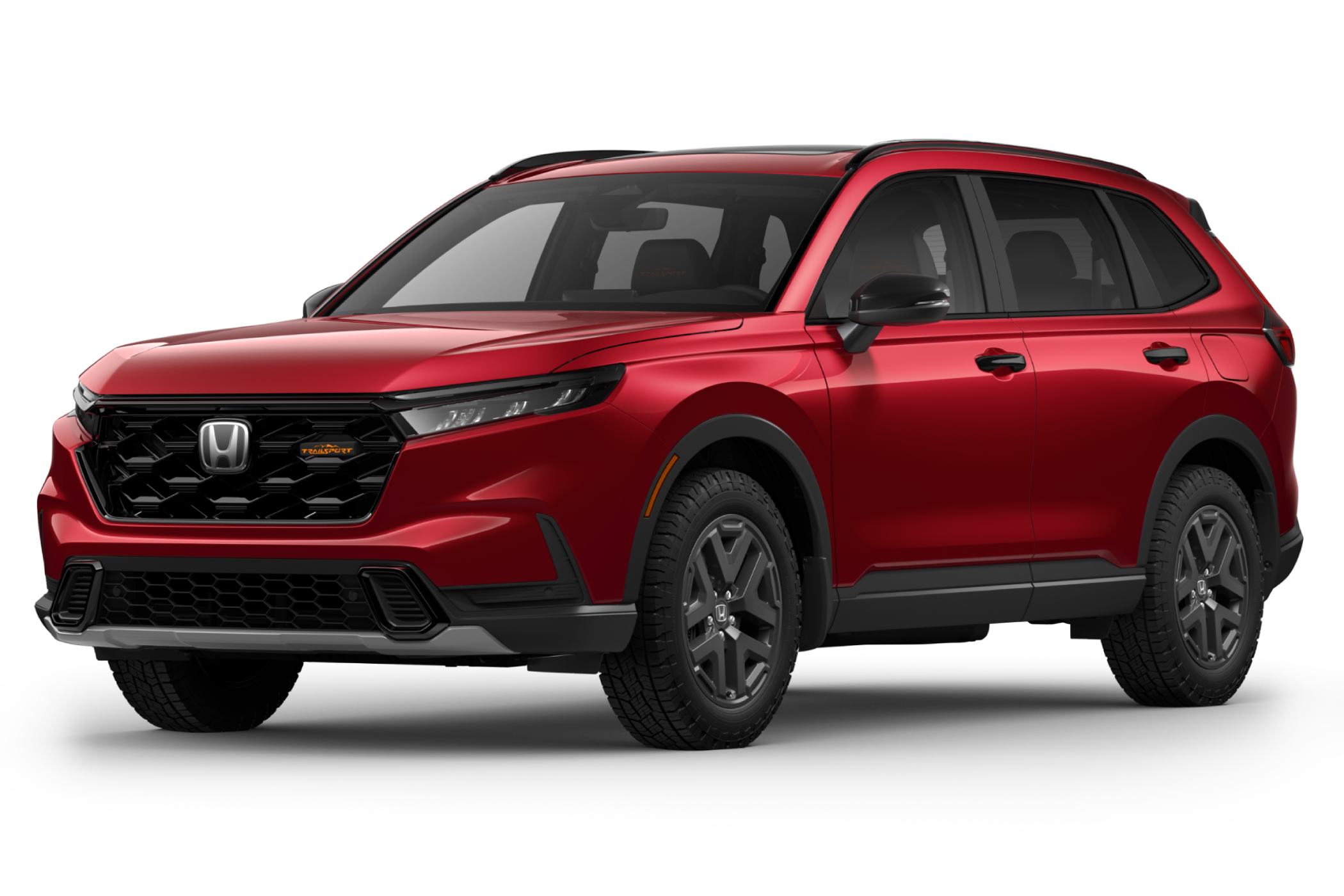
★ Canadian-built
VS
Toyota
2026 Toyota RAV4 Hybrid XLE AWD
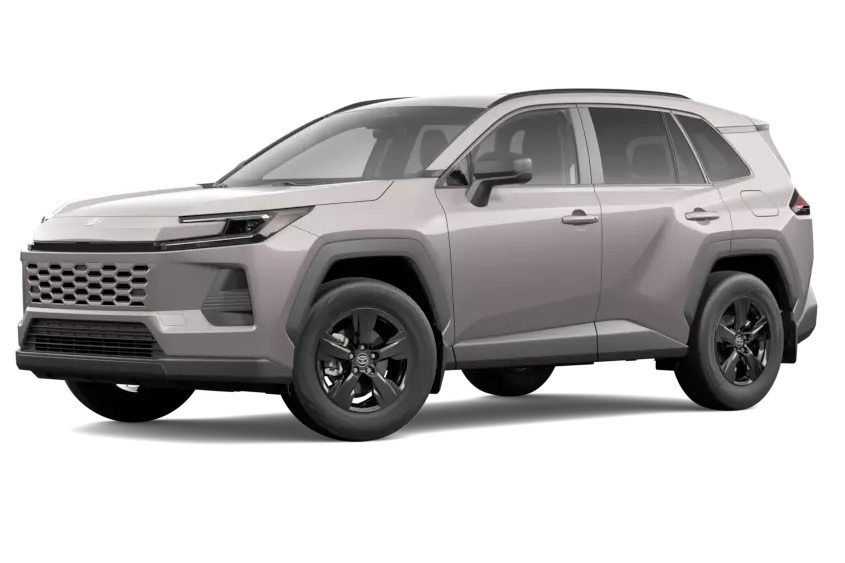
Imported
Side by side
At a glance
The numbers that matter when you actually live with the vehicle. Green marks the class leader.
Feature
Honda CR-V
Hybrid Sport AWD
Toyota RAV4
Hybrid XLE AWD
Max cargo capacity
✓ 1,131 L
1,070 L
Standard airbags
✓ 10 (front & rear side-impact)
Fewer than CR-V
Rear legroom
✓ 1,042 mm
970 mm
Climate control
✓ Standard dual-zone automatic
Varies by trim
Wireless charger
✓ Standard
Available on top trims
Rear camera washer
✓ Standard
Not available
Assembly
✓ Canadian-built
Imported
Specifications based on the 2026 model year.
The CR-V advantage
Where the CR-V pulls ahead
The tangible, everyday wins — the differences you’ll actually notice.
More room for everything you carry
The CR-V offers up to 1,131 litres of cargo space — more than the RAV4’s 1,070 litres. Add an 85-degree rear-door opening angle for easier loading of bulky items, and the CR-V is the more practical hauler for groceries, gear, and road-trip luggage.
More space for the people in the back
With 1,042 mm of rear legroom versus the RAV4’s 970 mm, the CR-V gives second-row passengers noticeably more room to stretch out — a real difference on longer drives with adults or growing kids in the back.
Safety equipment that comes standard
The CR-V comes with 10 airbags standard, including front and rear side-impact airbags — more standard airbag coverage than the RAV4 offers.
Everyday comfort, included
The CR-V comes standard with dual-zone automatic climate control, a wireless charger, and a rear camera washer — the last of which the RAV4 doesn’t offer at all. These are the small conveniences you’ll appreciate every single day.
Built right here in Canada
The CR-V is proudly Canadian-built — a point of pride and a meaningful factor for many local buyers.
Where the RAV4 makes its case
To keep this fair: the 2026 RAV4 is a strong SUV, and it went hybrid-only for 2026, which appeals to buyers who want guaranteed hybrid efficiency across every trim. Toyota’s reputation for resale value is well-earned, and its infotainment system received praise in its latest redesign. If hybrid-only simplicity and Toyota’s brand loyalty are your top priorities, the RAV4 deserves a look.
That said, the CR-V also offers a hybrid — so you don’t have to give up efficiency to get the CR-V’s space and standard-feature advantages.
Common questions
Frequently asked questions
Yes. The 2026 CR-V offers more maximum cargo capacity (1,131 L vs. 1,070 L) and more rear legroom (1,042 mm vs. 970 mm) than the RAV4.
Yes. The CR-V is available in both gas and hybrid versions, giving you flexibility in price and fuel economy. The 2026 RAV4 is hybrid-only.
Yes — the Honda CR-V is Canadian-built.
The CR-V comes standard with 10 airbags, including front and rear side-impact airbags — more standard airbag coverage than the RAV4.
Come see the 2026 CR-V today at Westwood Honda, located in Port Moody, BC
The spec sheet tells one story — but the best way to feel the difference is from the driver’s seat.