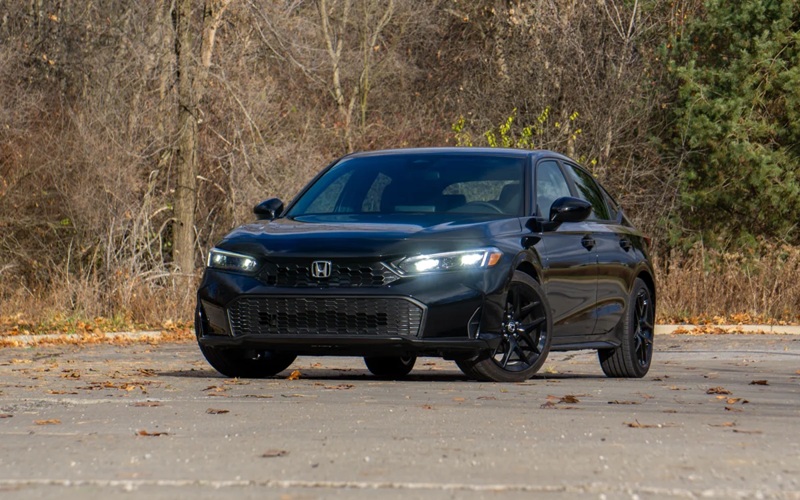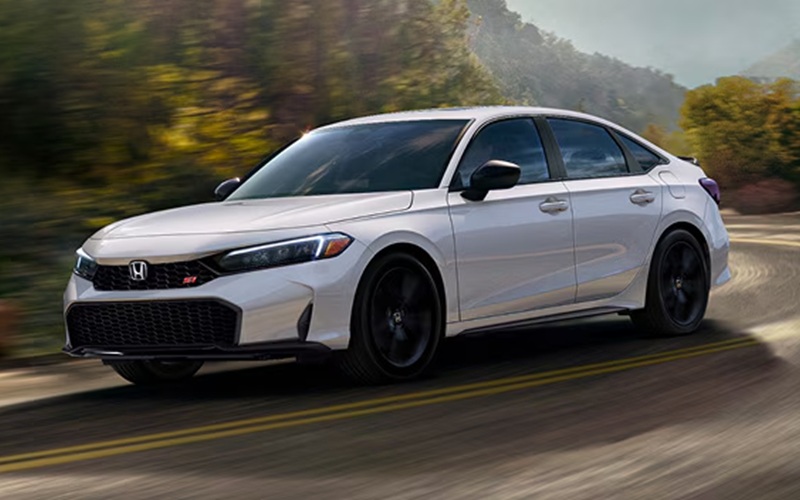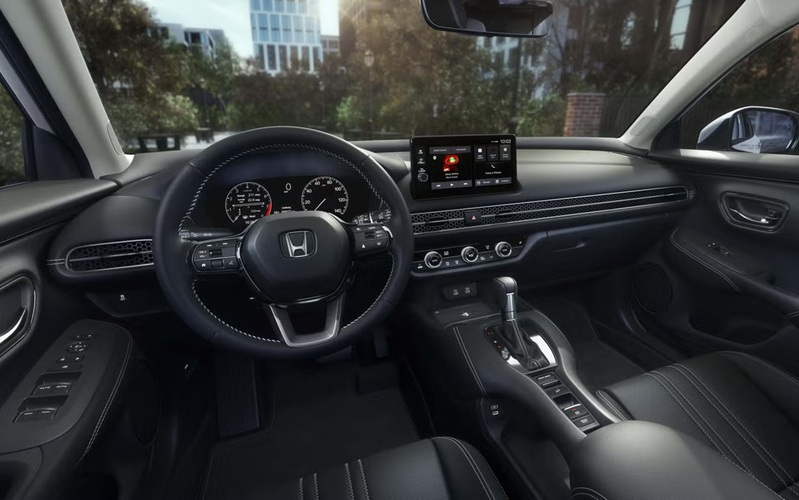

The Honda HR-V is a subcompact sport utility vehicle designed for urban and suburban use. It features a five-passenger interior, a single-row rear seat, and a cargo area designed for everyday transport.
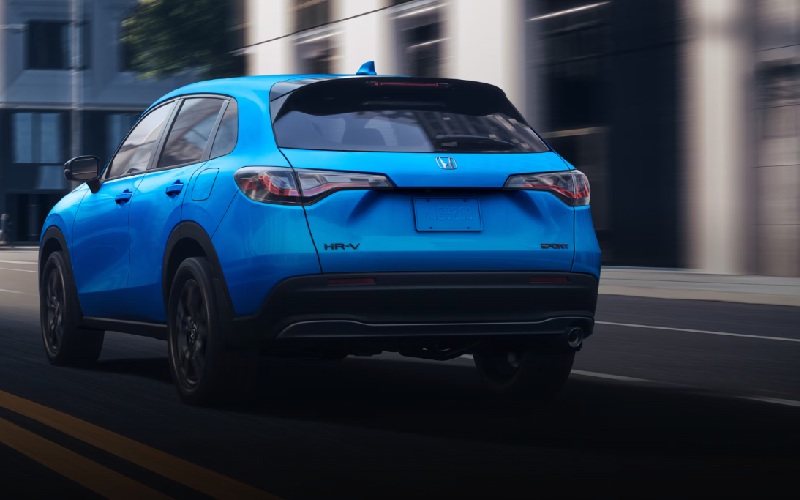
Vehicle Size and Urban Fit
The HR-V occupies a smaller footprint than compact sport utility vehicles. Its exterior dimensions support maneuverability in dense traffic and limited parking environments.
Key size-related traits include:
- Subcompact sport utility body style
- Short overall length relative to compact SUVs
- Moderate ride height compared to passenger cars
These proportions allow easier navigation of narrow streets and tighter parking spaces.
Cabin Structure
The interior follows a two-row layout with front bucket seats and a rear bench seat. The cabin prioritizes efficient use of space within a compact body.
Cabin structure characteristics:
- Seating capacity for five occupants
- Four side doors with rear passenger access
- Rear liftgate for cargo loading
The design balances passenger accommodation with cargo flexibility.
Seating Layout
The HR-V seating layout supports daily commuting and short-distance travel.
Front seating:
- Individual bucket seats
- Adjustable seating position
- Upright driving posture
Rear seating:
- Full-width bench seat
- Space suitable for two adults or three smaller passengers
The rear bench design supports both passenger use and cargo expansion when folded.
Interior Dimensions
Interior dimensions define comfort levels in a subcompact vehicle. The HR-V offers usable space within its class, though overall dimensions reflect its smaller exterior size.
General interior characteristics:
- Adequate front headroom and legroom for adults
- Rear seating space suited for average-height passengers
- Consistent roof height across the rear cabin
These proportions suit short to moderate trips rather than extended rear-seat travel.
Entry and Exit Design
Ease of entry affects daily usability, especially in urban settings with frequent stops.
Entry-related elements include:
- Raised seating position compared to a sedan
- Door openings sized for compact proportions
- Step-in height that limits excessive bending
These traits support routine commuting and errands.
Seat Construction
Seat construction focuses on durability and posture support.
Seat characteristics:
- Firm cushioning designed for daily use
- Upholstery materials selected for regular wear
- Rear seatback angle appropriate for short to moderate trips
All trims share the same basic seat shape and structure.
Cargo Area Volume
Cargo capacity is a key aspect of compact utility. The HR-V provides a cargo area accessible through the rear liftgate.
Cargo volume characteristics:
- Approximately 691 litres with rear seats upright
- Up to approximately 1,559 litres with rear seats folded
The cargo area supports groceries, luggage, and everyday equipment.
Cargo Access
Access to the cargo area affects usability in tight spaces.
Cargo access features:
- Rear liftgate with wide opening
- Low cargo floor relative to vehicle height
- Rectangular cargo shape for efficient packing
These traits help accommodate common urban transport needs.
Rear Seat Folding
The rear seatback increases cargo flexibility when passenger space is not required.
Seatback configuration:
- Split folding rear seatback
- Folded seatbacks that expand cargo length
This layout allows transport of longer items while retaining some rear seating.
Interior Storage Areas
Interior storage supports organization during daily use.
Common storage locations include:
- Center console compartment
- Front door pockets
- Rear door storage areas
- Glove compartment
These areas reduce clutter and keep small items accessible.
Dashboard Layout
The dashboard design emphasizes simplicity and clarity.
Dashboard traits:
- Horizontal layout
- Controls positioned within reach
- Clear separation between infotainment and climate controls
This arrangement supports ease of use during city driving.
Visibility
Visibility plays an important role in urban environments.
Visibility-related features:
- Elevated seating position
- Large windshield area
- Side windows sized for outward awareness
These elements assist with lane changes, parking, and intersections.
Interior Noise Control
Cabin noise affects comfort during daily commutes.
Noise-related characteristics:
- Insulated door panels
- Cargo area separated from the cabin by rear seats
- Body structure that limits road noise intrusion
These features support a controlled cabin environment.
Climate Airflow
Climate airflow distribution affects comfort for all passengers.
Interior airflow traits:
- Front air outlets for driver and passenger
- Rear airflow dependent on trim configuration
- Cabin size that allows effective air circulation
The system supports temperature balance during everyday use.
Interior Materials
Materials focus on durability and ease of maintenance.
Material characteristics:
- Hard plastic surfaces in high-contact areas
- Upholstery designed for repeated entry and exit
- Floor surfaces compatible with protective mats
These choices support long-term practicality.
Interior Lighting
Lighting placement improves visibility in low-light conditions.
Lighting elements include:
- Front overhead cabin light
- Rear seating area light
- Cargo area illumination
Lighting is functional and evenly distributed.
Urban Commuting Use
Urban commuting places specific demands on a vehicle interior.
Interior features that support this use:
- Compact dimensions that reduce parking difficulty
- Seating height that improves outward visibility
- Storage areas for personal items
These traits suit daily travel within city environments.
Errand and Daily Task Use
Daily tasks often involve frequent stops and cargo changes.
Relevant interior factors:
- Cargo area suitable for grocery loads
- Rear seat folding that expands cargo capacity
- Door openings that allow quick loading
The layout adapts easily to changing daily needs.
Passenger Comfort on Short Trips
Short trips make up a large portion of urban driving.
Comfort-related interior traits:
- Supportive front seats
- Predictable control layout
- Stable seating position
Rear-seat comfort is adequate for routine use in a compact cabin.
Interior Maintenance
Maintenance needs affect long-term ownership experience.
Maintenance-related features:
- Smooth surfaces that allow easy cleaning
- Seat materials resistant to regular wear
- Cargo area design that limits exposed fabric
These elements reduce upkeep effort.
2026 Honda HR-V Interior Function
The Honda HR-V interior emphasizes compact utility and everyday practicality. Its cabin layout supports urban commuting, routine errands, and flexible cargo use in a subcompact sport-utility format. The design focuses on efficient use of space rather than on advanced or specialized features.
Questions and Answers
How many passengers can the 2026 Honda HR-V carry?
- The interior provides seating for up to five occupants.
What is the cargo capacity with the rear seats in place?
- The cargo area offers approximately 691 litres with the rear seats upright.
How much cargo space is available with the rear seats folded?
- Folding the rear seats expands cargo capacity to about 1,559 litres.
What type of seating layout does the HR-V use?
- The interior includes front bucket seats and a rear bench seat.
Which interior features support urban daily use?
- Compact dimensions, elevated seating position, and multiple storage areas support daily urban driving.
Disclaimer: Content contained in this post is for informational purposes only and may include features and options from US or internacional models. Please contact the dealership for more information or to confirm vehicle, feature availability.