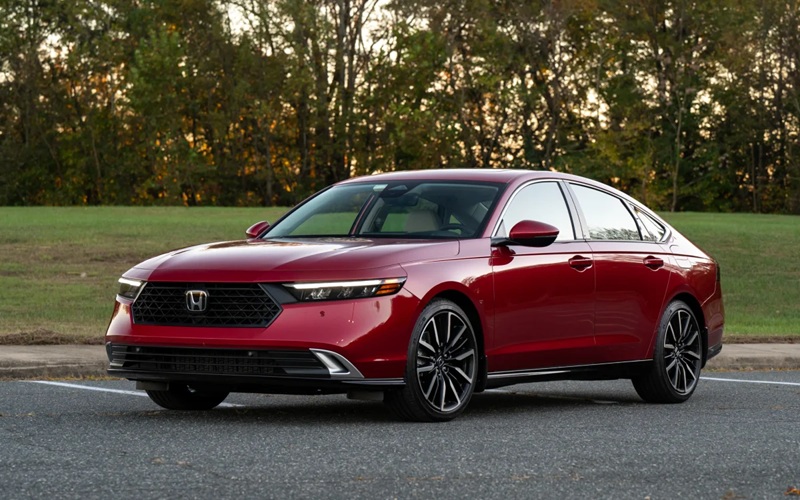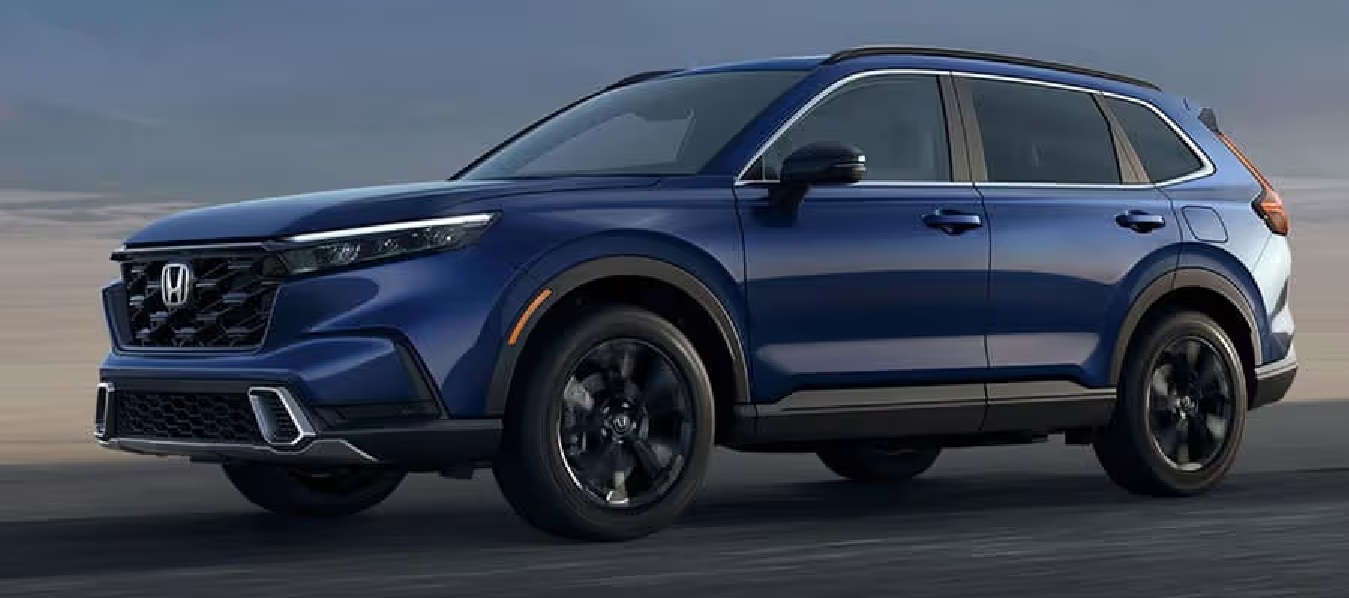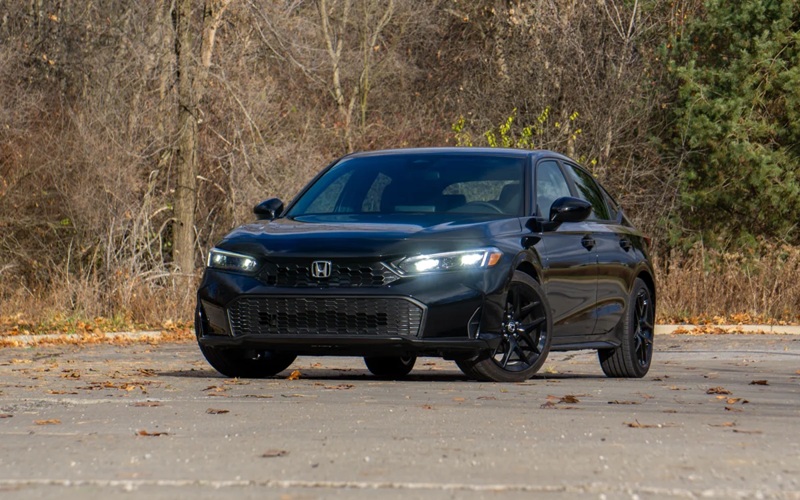

The Honda HR-V is designed to maximize interior usability for Canadian drivers through a carefully engineered cabin that balances passenger comfort, cargo flexibility and intuitive ergonomics. Rather than simply increasing interior dimensions, the HR-V uses efficient packaging, supportive seating, configurable cargo space, practical storage solutions and thoughtfully positioned controls to create an interior that adapts to commuting, family transportation, shopping, recreation and year-round Canadian driving conditions.
Interior Design Philosophy
The Honda HR-V prioritizes efficient interior packaging that makes practical use of every available centimetre of cabin space.
The design philosophy behind the HR-V focuses on creating an interior that feels larger than its exterior dimensions suggest. This is achieved through careful placement of structural components, seating positions and storage areas rather than simply increasing vehicle size.
Honda engineers developed the cabin around everyday usability, recognizing that compact SUV owners frequently alternate between transporting passengers, groceries, sports equipment, luggage and work-related items.
Several design priorities influence the interior layout:
- Maximizing usable passenger space
- Improving outward visibility
- Maintaining comfortable seating positions
- Simplifying access to controls
- Increasing cargo flexibility
- Reducing driver distraction
- Supporting long-distance comfort
Rather than separating these objectives, the HR-V integrates them into a unified cabin design where seating, storage and technology complement one another. The elevated seating position also contributes to easier vehicle entry and exit while providing improved visibility compared with a conventional passenger car.
Seating and Passenger Comfort
The HR-V seating system is engineered to balance occupant support, accessibility and interior flexibility for everyday Canadian driving.
Passenger comfort depends on more than seat cushioning alone. Seat geometry, posture, visibility and available interior space all contribute to long-term comfort.
Front Seating
The front seats are designed to provide support during both short urban trips and extended highway travel.
Seat design considers:
- Cushion length
- Backrest contour
- Hip support
- Driving posture
- Reach to vehicle controls
The relationship between the steering wheel, pedals, and seating position helps reduce unnecessary driver movement while promoting a comfortable driving posture. The elevated seating position also improves visibility in urban traffic and during parking manoeuvres.
Rear Seating
The rear seating area accommodates passengers while preserving cargo versatility.
Rear occupants benefit from:
- Comfortable seating geometry
- Dedicated head restraints
- Adjustable seat belts
- Rear ventilation on applicable models
- Convenient access through wide-opening rear doors
Careful packaging allows rear passengers to enjoy comfortable seating without significantly reducing cargo capacity.
Interior Dimensions
Rather than focusing solely on overall measurements, the Honda cabin engineering emphasizes usable interior volume.
Passenger space is distributed to provide:
- Comfortable headroom
- Practical shoulder room
- Functional legroom
- Easy ingress and egress
The flat floor design in key areas also contributes to easier movement throughout the cabin.
Noise Reduction
The HR-V incorporates sound insulation and body engineering intended to reduce the transmission of:
- Road noise
- Wind noise
- Powertrain vibration
A quieter cabin helps reduce driver fatigue on longer journeys.
Cargo Area and Storage Solutions
The cargo compartment is designed to accommodate changing transportation needs while maintaining passenger comfort.
Cargo flexibility is one of the defining characteristics of the Honda HR-V.
Rather than providing a fixed storage area, the rear cargo space can adapt to different combinations of passengers and luggage.
Rear Cargo Area
The rear cargo compartment provides a flat loading surface designed to simplify loading everyday items.
The wide rear opening helps accommodate:
- Grocery bags
- Luggage
- Sports equipment
- Strollers
- Household purchases
- Recreational gear
The low lift-over height also reduces the effort required when loading heavier objects.
Split Folding Rear Seats
The rear seatbacks fold to increase available cargo space.
This configuration allows owners to transport:
- Longer items
- Bulky cargo
- Mixed passenger and cargo combinations
Because the rear seats fold independently, owners can balance passenger seating and cargo capacity as needs change.
Cargo Floor Design
The cargo floor is engineered to maximize usable storage while maintaining structural rigidity. Its flat configuration helps prevent smaller items from shifting unnecessarily during normal driving.
Interior Storage Compartments
Beyond the luggage area, the HR-V incorporates multiple storage locations throughout the cabin.
These include:
- Centre console storage
- Door pockets
- Cup holders
- Glove compartment
- Smartphone storage area
- Small-item trays
Distributing storage throughout the cabin keeps frequently used items accessible without cluttering the passenger area.
Everyday Cargo Management
The HR-V cargo design supports a variety of Canadian lifestyles, including:
- Daily commuting
- Weekend travel
- Shopping trips
- Outdoor recreation
- School transportation
- Airport travel
Its flexible layout lets owners adapt the interior without complicated seat removal or cargo accessories.
Cabin Technology and Everyday Convenience
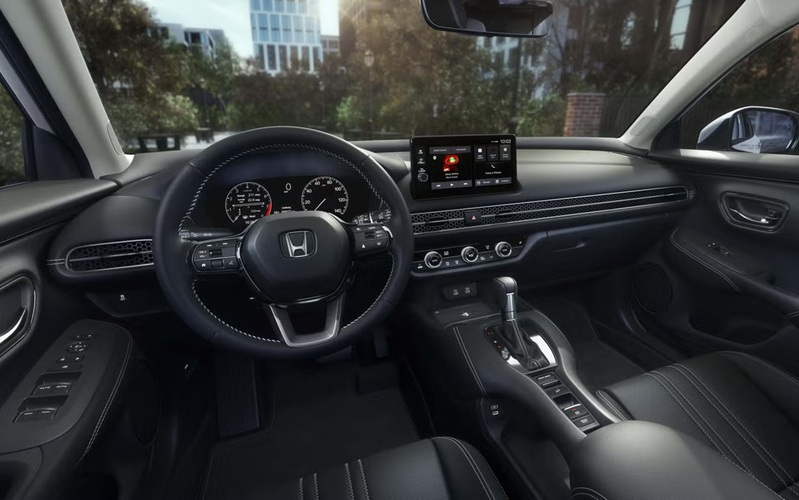
The HR-V integrates technology into the cabin in ways that support everyday usability rather than adding unnecessary complexity.
Technology is positioned to minimize driver distraction while remaining easy to access.
Driver Information Display
The instrument display presents essential driving information within the driver’s natural field of vision.
Depending on vehicle configuration, information may include:
- Vehicle speed
- Fuel information
- Driver assistance status
- Trip information
- Vehicle alerts
Grouping this information reduces the need for prolonged glances away from the road.
Centre Display
The centrally mounted touchscreen is positioned within comfortable reach of both front occupants. Its elevated placement improves visibility while reducing the time the driver’s eyes are off the road.
Smartphone Integration
Compatible smartphone integration allows supported applications to interact with the infotainment system through the centre display. This integration helps reduce the need to handle mobile devices while driving.
Climate Controls
Separate physical climate controls let you adjust the temperature without navigating multiple screen menus. This layout simplifies operation during winter driving when occupants may be wearing gloves.
Charging Solutions
Conveniently located charging ports keep mobile devices powered during daily commuting and longer trips. Storage areas positioned near charging locations also help reduce cable clutter.
Practical Benefits for Canadian Owners
The HR-V interior design addresses many challenges of year-round Canadian ownership.
Canada’s changing seasons place unique demands on vehicle interiors. The HR-V accommodates these conditions through practical design choices.
Winter Clothing
The elevated roofline and spacious seating area help accommodate passengers wearing:
- Heavy winter jackets
- Boots
- Hats
- Gloves
Maintaining passenger comfort during winter travel depends on providing sufficient personal space despite bulky clothing.
Seasonal Cargo
Canadian drivers frequently transport seasonal items such as:
- Hockey equipment
- Skis
- Snowboards
- Camping gear
- Gardening supplies
- Luggage
The configurable cargo area allows owners to adapt interior space as transportation needs change throughout the year.
Easy Cleaning
Interior materials are selected to tolerate regular daily use while simplifying routine cleaning. This is especially valuable during winter when moisture, snow and road salt may be tracked into the cabin.
Visibility
Large window openings, combined with the elevated driving position, improve outward visibility when navigating urban traffic, parking facilities, and winter road conditions.
Long-Term Ownership Considerations
The HR-V interior is designed to remain practical throughout years of everyday use.
Long-term usability depends as much on thoughtful engineering as on initial comfort.
The Honda interior design emphasizes:
- Durable seating materials
- Ergonomic control placement
- Accessible storage areas
- Flexible cargo management
- Practical passenger accommodations
As ownership needs evolve, the cabin continues supporting a wide variety of transportation tasks without requiring significant changes to how the vehicle is used.
Routine maintenance of interior components—including cabin air filter replacement, seat adjustments, climate control operation, and cargo area cleaning—also helps preserve occupant comfort over time. The combination of adaptable seating, organized storage and intuitive controls makes the HR-V particularly well suited to Canadian owners who regularly transition between commuting, family transportation and recreational activities.
2026 Honda HR-V: Intelligent Engineering
The Honda HR-V demonstrates that interior practicality depends on intelligent engineering rather than overall vehicle size. Through efficient cabin packaging, supportive seating, flexible cargo management, ergonomic controls and thoughtfully integrated technology, the HR-V provides an interior designed to adapt to the changing demands of everyday Canadian ownership.
From accommodating passengers in winter clothing to carrying sports equipment, groceries or travel luggage, the HR-V balances comfort and versatility without compromising usability. By integrating storage solutions, configurable seating and intuitive cabin design into a cohesive interior, Honda has created a compact SUV that remains functional across a wide range of daily driving situations and long-term ownership needs.
2026 Honda HR-V FAQ
1. How does the Honda HR-V maximize interior space?
It uses efficient interior packaging, elevated seating positions, a flexible cargo area and carefully designed storage compartments to make effective use of available cabin space.
2. Can the rear seats be configured for different cargo needs?
Yes. The rear seatbacks feature a split-folding design that allows various passenger and cargo combinations while increasing available storage space when needed.
3. Is the HR-V comfortable for long drives?
Yes. Supportive seating, ergonomic control placement, effective noise reduction and a well-organized cabin contribute to comfort during both daily commuting and extended highway travel.
4. What types of storage are available inside the HR-V?
The cabin includes a centre console, door pockets, cup holders, a glove compartment, smartphone storage areas and additional small-item storage locations to improve everyday organization.
5. Why is the HR-V well suited to Canadian ownership?
Its flexible cargo area, spacious seating, elevated driving position, practical storage solutions, and year-round interior design help accommodate changing seasonal transportation needs across Canada.
Disclaimer: Content contained in this post is for informational purposes only and may include features and options from US or internacional models. Please contact the dealership for more information or to confirm vehicle, feature availability.