

Winter conditions can place additional stress on a vehicle’s mechanical systems. Low temperatures, snow, ice, and road salt affect components such as the battery, tires, braking system, fluids, and electrical systems. Proper seasonal maintenance with a Honda service helps ensure that vehicles operate reliably and safely during colder months.
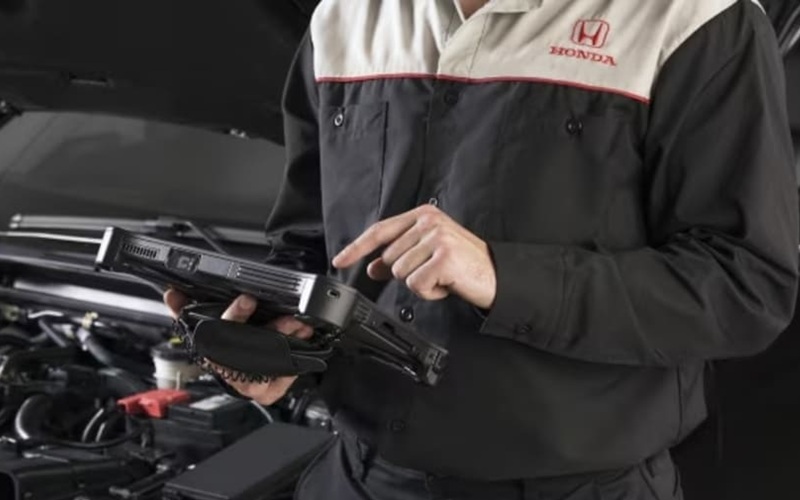
For Honda vehicles operating in regions with freezing temperatures, winter preparation involves checking several key systems. These inspections help maintain traction, protect engine components, and ensure the vehicle starts and operates normally in cold conditions.
Why Winter Maintenance Is Important
Cold weather affects how mechanical and electrical systems perform. As temperatures drop, fluids thicken, batteries lose efficiency, and tire traction changes on snow- or ice-covered roads.
A Honda service focuses on preparing vehicle systems to handle these conditions. Proper preparation helps prevent mechanical problems and improves vehicle control during winter driving.
Battery Performance in Cold Temperatures
Battery Chemical Reactions
Automotive batteries rely on chemical reactions to generate electrical power. These reactions slow down in cold temperatures, reducing the battery’s ability to produce current.
At the same time, starting the engine requires more energy in winter because engine oil thickens and internal engine components require more force to turn.
Battery Inspection
Winter Honda service often includes checking:
- Battery charge level
- Terminal connections
- Corrosion around battery posts
- Overall battery condition
Clean terminals and a fully charged battery improve starting reliability during cold weather.
Engine Oil and Lubrication
Oil Viscosity and Temperature
Engine oil lubricates internal engine components and reduces friction. In cold weather, oil becomes more viscous, which means it flows more slowly.
If oil becomes too thick, it can make engine starting more difficult and delay lubrication of moving parts.
Cold Weather Oil Considerations
Using oil with the correct viscosity rating ensures it flows properly during cold starts. Proper lubrication protects components such as:
- Pistons
- Camshafts
- Crankshaft bearings
Maintaining proper oil condition is an important part of winter Honda maintenance.
Engine Cooling System
Coolant and Antifreeze
The engine cooling system uses a mixture of water and antifreeze to regulate engine temperature.
Antifreeze prevents coolant from freezing in cold temperatures. If the coolant freezes, it can expand and potentially damage engine components.
Cooling System Components
The cooling system includes:
- Radiator
- Water pump
- Thermostat
- Coolant hoses
Winter Honda service inspections during a Honda service verify that the coolant mixture provides sufficient freeze protection and that cooling components are functioning properly.
Winter Tire Performance
Tire Rubber Behaviour in Cold Weather
Tire rubber becomes harder as temperatures drop. Standard all-season tires may lose flexibility in very cold conditions, reducing traction.
Winter tires are designed with rubber compounds that remain flexible in lower temperatures.
Tread Design
Winter tires also use specialized tread patterns that improve grip on:
- Snow-covered roads
- Slushy surfaces
- Ice
These tread designs help maintain traction during acceleration, braking, and cornering.
Tire Pressure Monitoring
Cold air causes tire pressure to decrease because air contracts as temperatures drop.
Lower tire pressure can affect:
- Handling
- Tire wear
- Fuel efficiency
Winter maintenance includes checking tire pressure and adjusting it to the recommended levels.
Honda Service Brake System Inspection
Brake Performance in Winter
Snow and ice increase stopping distances. Ensuring that braking components are functioning properly is critical for winter driving.
The brake system includes:
- Brake pads
- Brake rotors
- Brake calipers
- Brake fluid
Brake Fluid
Brake fluid transfers force from the brake pedal to the braking components at the wheels.
During winter service, technicians may check brake fluid condition to ensure the system maintains consistent braking pressure.
Windshield Visibility Systems
Windshield Washer System
Winter road conditions often involve snow, ice, and road salt accumulating on the windshield.
The washer system includes:
- Washer fluid reservoir
- Pump
- Washer nozzles
- Wiper blades
Winter washer fluid is designed to resist freezing and help remove road residue.
Wiper Blade Condition
Wiper blades should remain flexible and maintain proper contact with the windshield surface. Damaged or worn blades may leave streaks that reduce visibility.
Heating and Defrost Systems
Cabin Heating System
Vehicle heating systems use engine heat to warm the cabin.
Coolant flowing through a heater core transfers heat to the air that is directed into the cabin.
Defrost Operation
The defrost system directs warm air toward the windshield to remove frost, condensation, and ice buildup.
Proper operation of the heating and defrost systems helps maintain clear visibility during winter driving.
Electrical System Checks
Cold weather places additional demand on electrical systems.
Important electrical components include:
- Starter motor
- Alternator
- Interior electronics
- Lighting systems
Ensuring these systems operate properly helps prevent electrical issues when temperatures drop.
Undercarriage Protection
Winter road maintenance often involves the use of road salt and de-icing chemicals.
These substances can accelerate corrosion on metal components underneath the vehicle.
Winter service inspections may include checking the undercarriage for signs of corrosion or damage.
Honda Service FAQ Section
Why does cold weather affect car batteries?
- Cold temperatures slow the chemical reactions inside the battery, reducing its ability to produce electrical power.
Why are winter tires recommended?
- Winter tires use rubber compounds and tread patterns designed to maintain traction in cold temperatures, snow, and ice.
What role does antifreeze play in winter?
- Antifreeze prevents coolant from freezing and helps regulate engine temperature during cold conditions.
Does cold weather affect tire pressure?
- Yes. Tire pressure decreases as temperatures drop because the air inside the tire contracts.
Why is windshield washer fluid important in winter?
- Winter washer fluid helps remove snow, salt, and debris from the windshield and is formulated to resist freezing in cold temperatures.
Disclaimer: Content contained in this post is for informational purposes only and may include features and options from US or internacional models. Please contact the dealership for more information or to confirm vehicle, feature availability