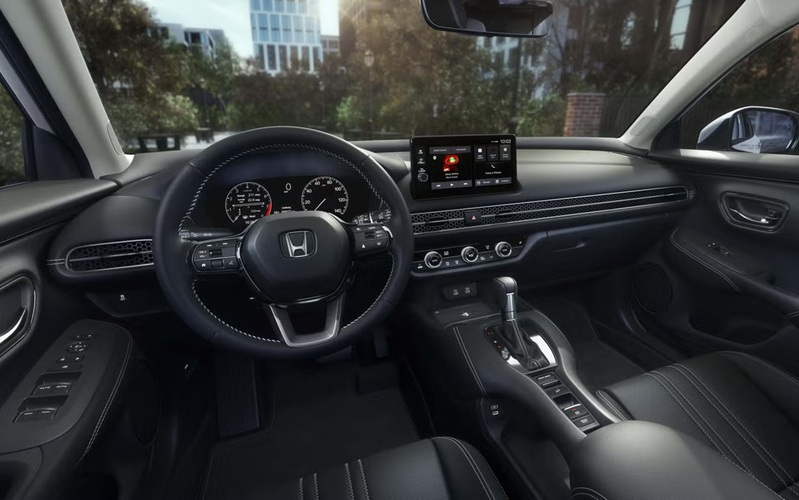

The Honda CR-V uses an integrated climate-control and defrost system designed to maintain windshield visibility and cabin comfort in cold, humid operating conditions. The defrost system combines heating, airflow management, humidity control, and electronic climate regulation to remove condensation, frost, and ice from glass surfaces.

Modern defrost systems are closely connected to the vehicle’s heating, ventilation, and air-conditioning system. In the Honda CR-V, the defrost system is engineered to provide controlled airflow distribution, rapid windshield clearing, and stable temperature regulation under varying environmental conditions.
2026 Honda CR- V Defrost System
The defrost system in the Honda CR-V is part of the vehicle’s overall HVAC system.
Its primary functions include:
- Removing windshield fog
- Melting frost and thin ice accumulation
- Reducing cabin humidity
- Maintaining glass visibility
- Supporting driver visibility during cold-weather operation
The system uses controlled airflow, heat transfer, and humidity reduction to clear interior and exterior glass surfaces efficiently. Unlike older manually controlled systems, modern Honda climate systems use electronic control modules and sensor inputs to automatically regulate defrost performance.
HVAC System Integration
The defrost system operates through the vehicle’s heating and ventilation architecture.
Heater Core Function
The heater core is a compact heat exchanger located inside the HVAC housing. Engine coolant circulates through the heater core after the engine reaches operating temperature. As cabin air passes across the heater core fins, thermal energy transfers into the airflow.
This heated air is then directed toward:
- The windshield
- Front side windows
- Cabin ventilation outlets
The heater core is one of the primary heat sources used during defrost operation.
Blower Motor Operation
The blower motor forces air through the HVAC system and into the duct network.
During defrost mode, the blower increases airflow toward the windshield vents to accelerate:
- Condensation removal
- Frost melting
- Air circulation
Blower speed may be adjusted automatically or manually depending on climate-control settings. Higher blower speeds improve windshield clearing performance but also increase airflow noise and electrical demand.
Air Distribution and Ducting
The Honda CR-V uses a dedicated duct network to manage defrost airflow.
Defrost Vent Placement
Defrost vents are positioned at the base of the windshield and near the front side windows. These vents are angled to maximize airflow coverage across the glass surfaces.
Airflow direction is carefully engineered to:
- Reduce fog formation
- Improve clearing uniformity
- Prevent visibility obstructions
- Support side-window visibility
Airflow Mode Doors
Inside the HVAC housing, electronically controlled blend doors and mode doors regulate airflow routing.
These doors determine whether air is directed toward:
- Floor vents
- Dashboard vents
- Defrost outlets
- Mixed airflow locations
During defrost operation, the control module prioritizes airflow to the windshield and side-window ducts.
Air Conditioning Compressor Integration
The defrost system also uses the air-conditioning system to reduce cabin humidity.
Moisture Removal Function
When defrost mode is activated, the air-conditioning compressor may operate even during cold weather. The compressor removes moisture from incoming cabin air before the air passes through the heater core. This process produces drier heated air that is more effective at eliminating windshield fog.
Reduced humidity improves:
- Defogging speed
- Cabin visibility
- Moisture control
- Interior comfort
Evaporator Operation
Inside the HVAC system, air flows across the evaporator core where moisture condenses and drains away. The dehumidified air is then reheated before entering the defrost vents. This combination of dehumidification and heating is one of the most effective methods for removing condensation from glass surfaces.
Automatic Climate Control Functionality
Many Honda CR-V configurations use automatic climate-control systems.
Electronic Climate Management
The automatic climate-control system continuously monitors cabin conditions using multiple sensors.
These may include:
- Cabin temperature sensors
- Ambient temperature sensors
- Sunload sensors
- Humidity sensors
The control module automatically adjusts:
- Fan speed
- Air distribution
- Temperature settings
- Compressor operation
This allows the system to maintain windshield clarity while balancing cabin comfort.
Automatic Defogging Logic
Some systems can detect elevated cabin humidity levels and automatically activate partial defrost functions.
Automatic defogging strategies may increase:
- Airflow to the windshield
- Compressor activity
- Fresh-air intake
These adjustments help prevent condensation before visibility becomes significantly affected.
Rear Window Defogger System
The rear glass uses a separate electrically heated defogging system.
Conductive Heating Grid
Thin conductive heating elements are embedded directly into the rear window glass. When activated, electric current passes through the grid, generating heat.
This heat helps remove:
- Condensation
- Frost
- Thin ice layers
The heating elements are evenly distributed to provide uniform heating across the rear window surface.
Timer-Controlled Operation
Rear defoggers commonly operate on timed cycles to reduce electrical-system load. The system may automatically deactivate after a predetermined interval.
Timed operation helps prevent:
- Excessive battery drain
- Unnecessary electrical consumption
- Overheating of conductive elements
Heated Exterior Mirrors
Some Honda CR-V trim levels may include heated exterior mirrors.
Mirror Heating Elements
Heating elements are installed behind the mirror glass surfaces.
When activated, these elements warm the mirrors to reduce:
- Condensation
- Frost accumulation
- Ice formation
Mirror heating improves visibility in cold and wet weather.
Integration With Rear Defogger
In many configurations, heated mirrors activate simultaneously with the rear-window defogger system. This integrated operation simplifies climate-control management and visibility support.
Fresh Air and Recirculation Control
Air-source management is important for defrost-system efficiency.
Fresh-Air Intake
During defrost operation, the HVAC system typically increases fresh-air intake rather than recirculating cabin air.
Fresh outside air typically contains lower humidity than interior cabin air generated by:
- Passenger breathing
- Wet clothing
- Snow accumulation
- Moisture evaporation
Reducing cabin humidity improves defogging effectiveness.
Recirculation Limitations
Although recirculation mode may improve heating efficiency, excessive recirculation can increase cabin moisture levels and contribute to fogging. The climate-control system may automatically disable recirculation during full defrost operation.
Sensor and Electronic System Integration
The defrost system relies on multiple electronic components for efficient operation.
Temperature Sensors
Temperature sensors monitor:
- Cabin air temperature
- Ambient air temperature
- HVAC system conditions
This information helps the climate-control module regulate heating output and airflow strategies.
Humidity Detection
Some advanced climate systems use humidity sensors to estimate moisture levels inside the cabin. The control system may automatically adjust compressor operation and airflow based on detected humidity levels.
Control Module Communication
The HVAC control module communicates with other vehicle systems through electronic data networks.
Integrated systems may coordinate:
- Engine idle speed
- Compressor engagement
- Electrical load management
- Automatic climate adjustments
These coordinated functions improve overall system efficiency and operational stability.
Winter Performance Considerations
Cold-weather operation places increased demands on defrost systems.
Engine Warm-Up Dependency
Because the heater core depends on engine coolant temperature, maximum heating performance generally occurs after the engine reaches operating temperature. Cold starts may temporarily reduce heating effectiveness until coolant circulation stabilizes.
Ice Removal Limitations
The HVAC defrost system is primarily designed for fog and light frost removal. Heavy ice accumulation may require additional time because windshield heating depends on airflow temperature and engine heat availability. Electric rear defoggers and heated mirrors operate more quickly because they generate heat directly within the glass surfaces.
Maintenance and Inspection
Proper HVAC maintenance supports long-term defrost performance.
Cabin Air Filter Inspection
Restricted cabin air filters may reduce airflow to the windshield vents.
Reduced airflow can negatively affect:
- Defogging speed
- Heating performance
- Cabin ventilation
Seasonal inspections commonly include cabin air filter evaluation.
HVAC System Diagnostics
Defrost-system inspections may include testing of:
- Blower motors
- Blend doors
- Heater-core operation
- Compressor function
- Electrical heating elements
Westwood Honda may recommend HVAC system inspections based on climate conditions, mileage, and seasonal usage patterns.
2026 Honda CR-V FAQ
What type of defrost system does the 2026 Honda CR-V use?
It uses an electronically controlled HVAC-based defrost system that combines heated airflow, air-conditioning dehumidification, and controlled air distribution.
Why does the air-conditioning compressor operate during defrost mode?
The compressor removes moisture from the air before it is reheated, producing drier air that clears windshield fog more effectively.
Does the 2026 Honda CR-V have a rear-window defogger?
Yes. The rear window uses electrically heated conductive grid elements to remove condensation and frost from the glass surface.
Are heated mirrors included in the defrost system?
Certain trim levels may include heated exterior mirrors that activate along with the rear defogger system to improve visibility during cold-weather operation.
Why is fresh-air intake used during defrost mode?
Fresh outside air generally contains lower humidity than recirculated cabin air, helping reduce condensation buildup on interior glass surfaces.
Disclaimer: Content contained in this post is for informational purposes only and may include features and options from US or internacional models. Please contact the dealership for more information or to confirm vehicle, feature availability.