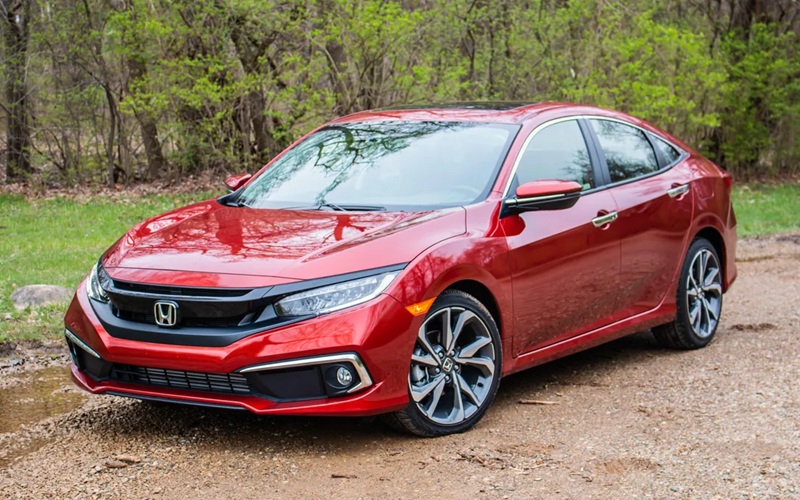


Why the Honda HR-V Gets Good Fuel Economy (and How to Improve It in BC)
The Honda HR-V is known for having solid fuel economy for a compact SUV—but in British Columbia, how it performs can depend a lot on how and where you drive.
Between city traffic in Vancouver, hilly roads, and colder, wetter months, real-world fuel use can vary quite a bit.
Here’s what actually makes the HR-V efficient—and what you can do to get the best mileage out of it in everyday driving.
What Fuel Economy Does the Honda HR-V Get?
Most recent Honda HR-V models average roughly:
- City driving: 8.5–9.5 L/100 km
- Highway driving: 7.0–7.8 L/100 km
In real-world conditions around BC, expect some variation depending on traffic, elevation, and weather.
Why the Honda HR-V Is Fuel Efficient
1. Continuously Variable Transmission (CVT)
The HR-V uses a CVT instead of a traditional automatic transmission.
This helps:
- Keep engine RPM low during steady driving
- Reduce fuel consumption in stop-and-go traffic
- Deliver smoother acceleration on city roads
2. Lightweight Build
Compared to larger SUVs, the HR-V is relatively light.
That makes a noticeable difference when:
- Driving through urban areas like Vancouver or Burnaby
- Climbing hills or dealing with frequent stops
Less weight means the engine doesn’t have to work as hard.
3. Efficient 4-Cylinder Engine
The HR-V’s engine is designed for balance—not performance.
It focuses on:
- Consistent fuel use
- Reliability in daily driving
- Efficiency during short trips
Which fits well with typical commuting patterns across the Lower Mainland.
4. Aerodynamic Design
At highway speeds (like on Highway 1), airflow matters.
The HR-V’s design helps reduce drag, which improves fuel economy on longer drives between cities.
How to Improve Your HR-V Fuel Economy in British Columbia
Driving conditions in BC can impact fuel use more than people expect. A few adjustments can help.
Drive Smoothly in Traffic
Stop-and-go traffic is common in Metro Vancouver.
To reduce fuel use:
- Accelerate gradually
- Anticipate stops instead of braking hard
Check Tire Pressure Regularly
Temperature changes—especially in colder months—can lower tire pressure.
Underinflated tires increase fuel consumption, so it’s worth checking them more often in winter.
Be Mindful of Hills
BC isn’t flat.
Frequent elevation changes (especially outside city centres) can increase fuel use. Try to maintain steady speed when possible rather than constantly accelerating uphill.
Limit Excess Weight
If you’re carrying gear (sports equipment, tools, etc.), extra weight adds up.
Removing unnecessary items can slightly improve efficiency over time.
Use Eco Mode
If your HR-V is equipped with Eco Mode, it can help optimize throttle response and transmission behaviour for better fuel economy—especially in city driving.
Why Your HR-V Might Be Using More Fuel Than Expected
If you’re noticing higher fuel consumption, it’s often due to:
- Cold weather (engine takes longer to reach optimal temperature)
- Wet road conditions increasing resistance
- Heavy traffic or short trips
- Driving habits (frequent acceleration)
These are all common in BC and can impact real-world numbers more than official ratings.
Final Thoughts
The Honda HR-V is built to be efficient, but in places like British Columbia, real-world fuel economy depends heavily on conditions.
With a bit of attention to driving habits and maintenance, it’s possible to stay close to the expected fuel consumption—even with traffic, hills, and changing weather in the mix.
Auto Blog News at:
Your Ultimate Guide to the Honda Odyssey
Exploring the White Honda Odyssey: Unleash the Adventure