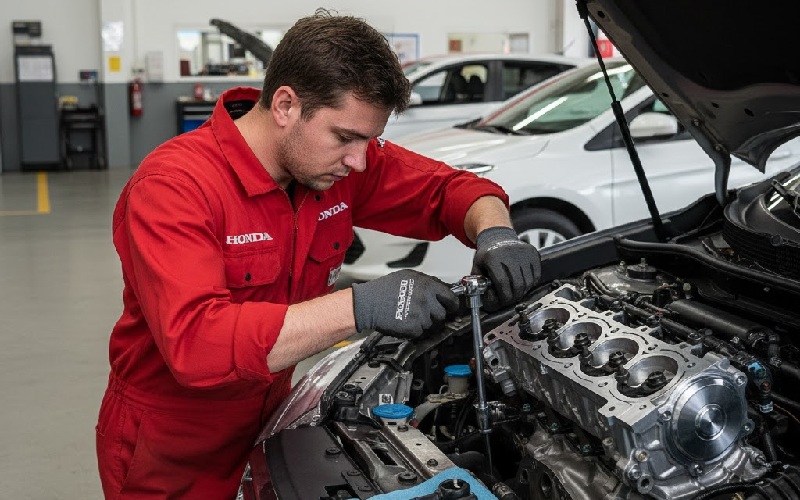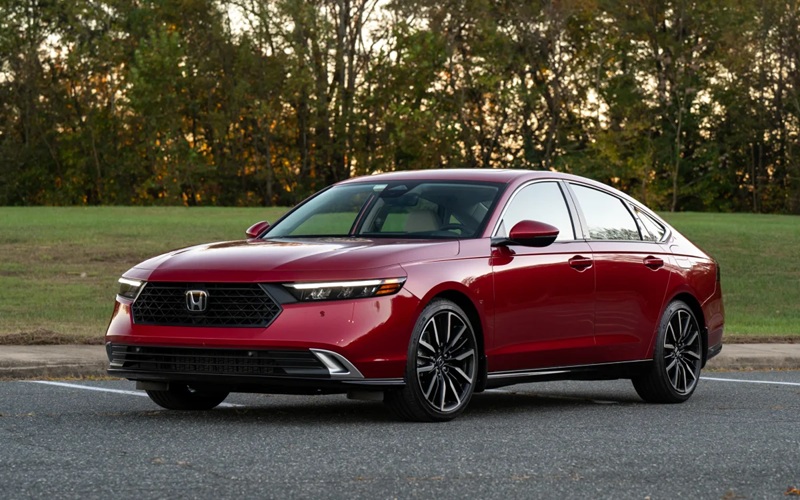

The Honda Civic has long been a popular choice for drivers who want a practical sedan or hatchback for commuting, family errands, and longer highway trips. With many model years and configurations available, shoppers can choose between a previously owned Civic and a new model, depending on their driving needs and priorities.
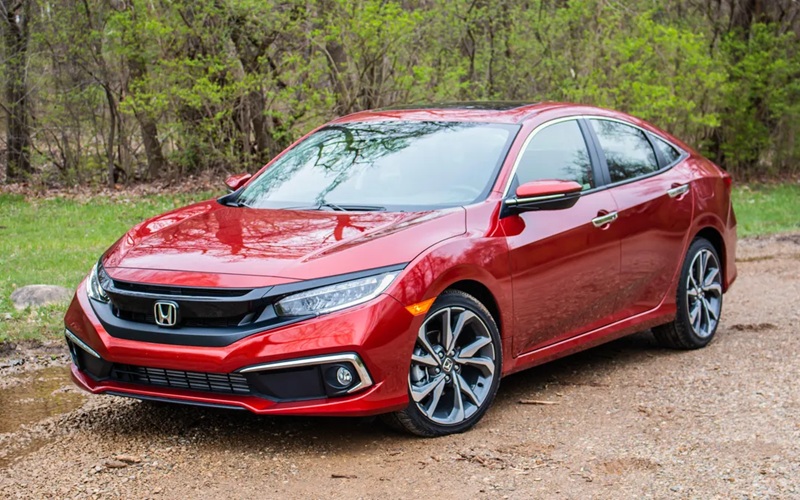
A high-mileage Honda Civic can still be worth considering, particularly when it has a consistent maintenance history and remains in good mechanical condition. However, the odometer is only one part of the decision. Service records, age, previous use, and current condition all help determine whether a particular Civic is a good fit.
For drivers who plan to keep their next vehicle for several years, a new Honda Civic also deserves serious consideration. Starting with a new vehicle provides a known ownership history, current warranty coverage, and the chance to follow the maintenance schedule from the start.
Understanding the differences can help buyers choose the option that best suits their long-term plans.
What Is Considered High Mileage on a Honda Civic?
No single kilometre reading automatically makes a Honda Civic unsuitable for purchase. Mileage indicates how far a vehicle has travelled, but it doesn’t explain how the previous owner maintained it or what driving conditions it experienced.
For example, two Civics with similar odometer readings may have very different ownership histories. One may have received regular maintenance throughout its life, while the other may have fewer available service records. Both vehicles require an evaluation of their current mechanical condition before a buyer can make an informed decision.
Vehicle age also provides useful context. A Civic that accumulated most of its kilometres on the highway may have experienced different operating conditions than one used primarily for short city trips. Neither driving pattern automatically determines reliability, but the distinction can help explain the vehicle’s maintenance requirements and overall wear.
Rather than choosing an arbitrary mileage limit, buyers should consider whether the service history and current condition match the vehicle’s age and kilometres travelled.
Why Maintenance History Matters When Buying a Used Civic
Maintenance records provide valuable information about how a Honda Civic has been cared for over time. They can help establish whether the vehicle received scheduled services and whether previous repairs or inspections were completed.
Honda uses a Maintenance Minder system on applicable Civic models to identify maintenance requirements. The system estimates engine oil life based on operating conditions, including vehicle speed and temperature, and displays alerts when certain services are due.
Depending on the vehicle and its maintenance requirements, these services may include oil and filter replacement, tire rotation, brake inspections, air-filter replacement and transmission-fluid maintenance.
For a used Civic with substantial mileage, service documentation helps confirm whether these items received attention at appropriate intervals.
Useful maintenance records generally include:
- The date and odometer reading at each service
- Engine oil and filter replacement history
- Transmission-fluid service, where applicable
- Brake and tire maintenance
- Inspections and completed repairs
- Parts and fluids replaced during previous visits
Maintenance can happen at a Honda dealership or an independent automotive service facility, so a complete history doesn’t necessarily come from one provider.
A Civic with organized service records gives buyers a clearer understanding of its ownership history. It also helps identify upcoming maintenance requirements and provides a useful reference when evaluating the vehicle’s current condition.
How Does Honda Maintenance Minder Help?
The Maintenance Minder system helps Civic owners stay informed about scheduled service requirements. Rather than relying exclusively on a fixed distance interval for every maintenance item, the system considers operating conditions when estimating engine oil life and identifying applicable maintenance needs.
On equipped models, the display can show a main maintenance requirement along with additional service codes. These alerts help owners identify what needs attention and plan service accordingly.
However, Maintenance Minder doesn’t replace a physical inspection. Certain wear-related components still require direct examination, including brake pads, brake rotors, tire tread and battery condition.
This distinction matters when evaluating a used Civic. A dashboard without active maintenance reminders doesn’t necessarily establish that every mechanical component is in satisfactory condition.
Buyers should compare the available maintenance information with service records and the results of a current vehicle inspection.
For someone considering a new Civic, Maintenance Minder also offers a practical way to track maintenance requirements from the start of ownership. Keeping service records as work is completed creates a documented history that can remain useful throughout the vehicle’s life.
What Should You Inspect on a High-Mileage Honda Civic?
A pre-purchase inspection is an important part of evaluating any used vehicle, regardless of its mileage. Service records describe past work, while an inspection provides information about the current mechanical condition.
A qualified technician can examine the engine, transmission, brakes, steering, suspension and other important components. The inspection can also identify overdue maintenance or mechanical concerns that need further attention.
Areas worth evaluating include:
- Engine and transmission: Check for consistent operation, unusual noises and signs of fluid leaks.
- Braking system: Examine brake pads, rotors and overall braking performance.
- Steering and suspension: Inspect components for wear, damage or unusual movement.
- Tires: Check tread depth, uneven wear and visible damage.
- Fluid condition: Review applicable fluid levels and look for leaks.
- Exhaust and underbody: Inspect for damage, corrosion and general condition.
- Electrical systems: Check warning indicators and the operation of relevant vehicle functions.
A pre-purchase inspection helps determine whether the Civic is ready for regular use and whether you should consider any maintenance or repairs as part of your ownership decision.
Even a well-maintained vehicle benefits from this assessment because service records and current mechanical condition provide different types of information.
Should You Buy a High-Mileage Civic or a New Honda Civic?
Both options can suit different ownership needs. A high-mileage Civic with documented maintenance and a satisfactory inspection may still be a practical choice for someone who prefers a used vehicle.
However, drivers who want a known vehicle history, current warranty coverage, and a fresh starting point for long-term ownership should prioritize a new Honda Civic.
With a new Civic, the owner knows how the vehicle has been maintained from its first kilometres. Buyers don’t need to reconstruct previous service history or determine how earlier drivers used the vehicle. Maintenance can begin according to the applicable schedule, and each completed service can be documented as ownership continues.
A new model also allows buyers to consider the equipment and configurations available in the current Civic lineup. Features, powertrain options, and technology can vary by model year, so comparing specific vehicles provides a clearer picture of what each offers.
The decision ultimately depends on how long the buyer intends to keep the vehicle, how frequently it will be driven and which ownership factors matter most.
For someone planning several years of commuting, family travel and highway driving, starting with a new Civic can simplify maintenance planning and provide greater certainty about the vehicle’s history.
What Warranty Coverage Comes With a New Honda Civic?
Warranty coverage is another important consideration when comparing a new Civic with a previously owned model.
The Honda standard new-vehicle warranty coverage includes:
- Distributor’s Warranty: Three years or 60,000 km, whichever comes first.
- Powertrain Warranty: Five years or 100,000 km, whichever comes first.
Coverage remains subject to the applicable warranty terms, conditions and exclusions.
A new Civic begins its ownership period with the applicable new-vehicle warranty coverage. This gives the owner a defined period of protection for eligible components and repairs.
A used Civic may also have remaining warranty coverage, depending on its original in-service date, mileage and the specific warranty involved. Therefore, you should not automatically assume a high-mileage vehicle has no coverage.
The key difference is that a new Civic lets you start with the standard warranty period, rather than figuring out how much coverage remains from an earlier registration date.
For drivers who value predictable maintenance planning and warranty protection, this can be a meaningful advantage when considering a new model.
Does High Mileage Mean a Civic Will Need More Repairs?
Mileage alone cannot predict the repairs a particular Honda Civic will require. A vehicle’s condition depends on several factors, including maintenance, operating conditions, age and the condition of individual components.
As kilometres accumulate, regular inspections become increasingly useful for identifying wear and determining which maintenance items need attention. However, a high odometer reading doesn’t automatically mean that major repairs are necessary.
A better approach is to review what maintenance has already been completed, what work is due, and whether the vehicle shows any unresolved mechanical symptoms.
A Civic with documented servicing and a satisfactory inspection provides a stronger basis for evaluating its condition than mileage alone.
For buyers who prefer a vehicle with minimal prior road use, a new Civic offers a different ownership experience. The owner can establish maintenance habits immediately, monitor the vehicle’s condition over time and maintain a complete service history from the first scheduled appointment.
This doesn’t eliminate the need for regular maintenance, but it provides a clear starting point for managing the vehicle throughout ownership.
How to Evaluate a Used Honda Civic Before Purchase
A structured approach can make it easier to assess a previously owned Civic and compare it with a new model.
Start by obtaining the vehicle identification number (VIN) and any available service documentation. The VIN can help identify vehicle-specific information, while maintenance records provide details about previous servicing and repairs.
Compare the odometer reading with the available records to confirm that the mileage history appears consistent. Service invoices can also help establish whether maintenance was completed at appropriate intervals.
Next, review the Maintenance Minder information where available and identify any current service requirements. Because the system doesn’t monitor every component, a physical inspection remains important.
A practical evaluation should include:
- Confirm the vehicle history. Obtain the VIN and review available ownership and service information.
- Examine maintenance records. Look for consistent servicing and documentation of previous repairs.
- Compare mileage and vehicle age. Consider the kilometres travelled alongside the operating history.
- Review maintenance requirements. Identify completed services and any work that may be due.
- Arrange a mechanical inspection. Have a qualified technician evaluate the vehicle’s current condition.
- Check warranty and recall information. Confirm any remaining coverage and applicable recall status.
- Compare ownership priorities. Consider whether a used or new Civic better matches the intended length and type of ownership.
The Honda MyGarage platform can also provide access to vehicle-specific information, including maintenance and recall details, depending on the vehicle and account information.
These steps help buyers make decisions based on the actual vehicle rather than assumptions about its mileage.
Why a New Honda Civic May Be the Better Long-Term Choice
For drivers planning to keep their next vehicle for many years, a new Honda Civic offers several practical advantages worth considering.
The biggest advantage is the ability to build a complete ownership and maintenance history from the start. Instead of reviewing previous service records, owners can follow the vehicle’s Maintenance Minder alerts, schedule required inspections, and document maintenance as it happens.
New-vehicle warranty coverage also provides a defined period of protection for eligible repairs. Combined with the option to choose from current model configurations, this can make a new Civic particularly appealing to drivers who want a clear starting point for long-term ownership.
A new vehicle also lets owners get familiar with its operation and maintenance requirements as kilometres accumulate. Owners can monitor tire condition, brake wear, fluid maintenance, and other routine items throughout ownership.
These benefits don’t diminish the value of a properly maintained used Civic. They simply offer a different approach for drivers who prefer to start with a vehicle with a known history and full applicable new-vehicle warranty coverage.
Is a High-Mileage Honda Civic Worth Buying?
A high-mileage Honda Civic can still be worth buying when its maintenance history, mechanical condition and documented mileage support the decision. No universal kilometre threshold determines whether a Civic is suitable for continued use.
Service records, a pre-purchase inspection and a review of current maintenance requirements provide a more accurate picture than the odometer alone. A well-documented vehicle gives buyers useful information about its condition and previous care.
At the same time, a new Honda Civic is a strong recommendation for drivers who want a fresh start and plan for long-term ownership. Starting with a known vehicle history, current warranty coverage, and the chance to maintain the car from its first kilometres can make ownership more straightforward.
Both new and previously owned Civics deserve consideration. Still, buyers who prioritize a clear maintenance history, warranty protection and long-term planning may find that a new Civic better matches their needs.
Disclaimer: Content contained in this post is for informational purposes only and may include features and options from US or internacional models. Please contact the dealership for more information or to confirm vehicle, feature availability.