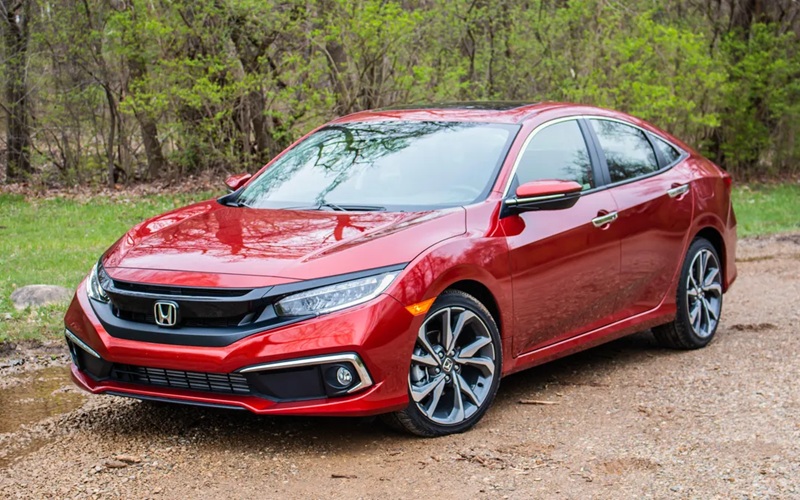

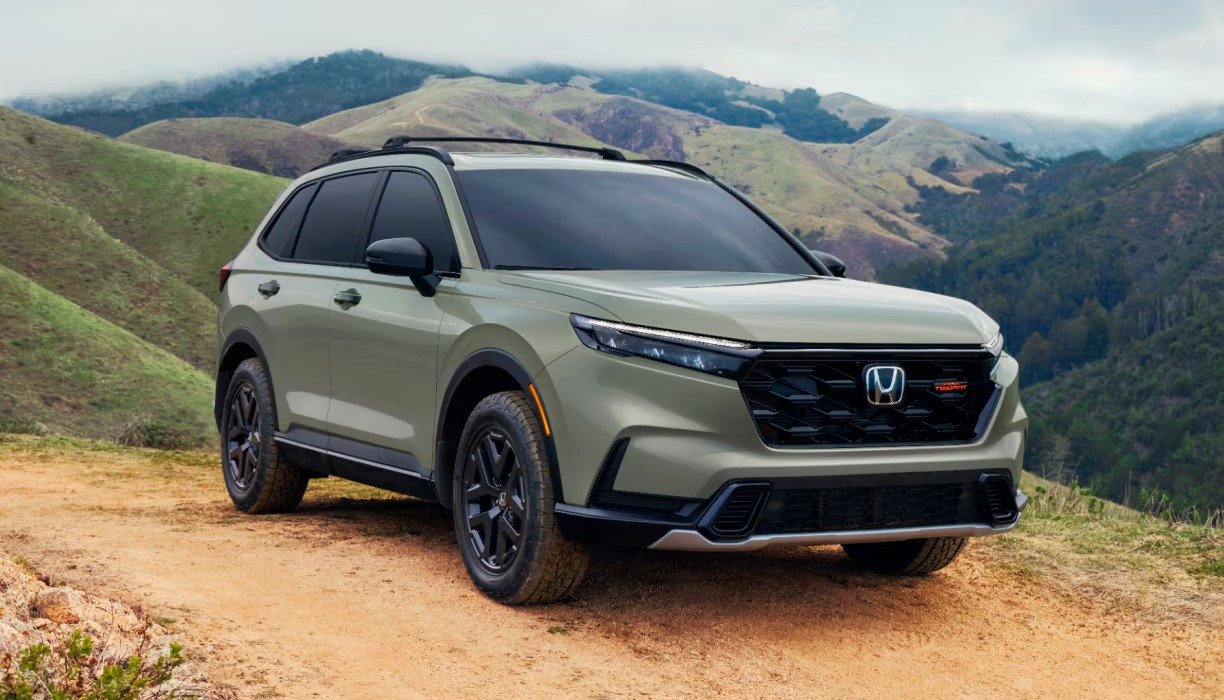
In the hybrid vs electric debate, a hybrid is the easier fit for most Port Moody drivers. It never needs plugging in, and it handles long highway trips and winter weather without extra planning. An electric car like the Honda Prologue suits drivers who can charge at home and want gas-free driving.
The rest comes down to two things: where you park at night and how far you drive. This article uses Honda models to show which one matches your routine in Port Moody, Coquitlam and Port Coquitlam. You can also browse the new Honda inventory at Westwood Honda to see both options side by side.
| Your situation | Best fit |
|---|---|
| Condo or apartment with no home charger | Honda hybrid |
| Frequent trips up the Coquihalla or Sea-to-Sky | Honda hybrid |
| House or reserved stall where you can charge | Honda Prologue |
| You want zero fuel stops for daily driving | Honda Prologue |
| You want AWD and the simplest ownership routine | CR-V Hybrid |
How a Honda Hybrid and an Electric Car Work
Honda Two-Motor Hybrid
Honda hybrids pair a 2.0-litre gas engine with two electric motors. The system charges its own battery while you drive, so you don’t need a cord or a charging station. You fill up with regular fuel at any gas station, just as you always have.
The electric motors do much of the work in daily driving, so a Honda hybrid feels quick and smooth from a stop. Want a closer look at the hardware? Our post on how the CR-V hybrid system works breaks it down step by step.
The All-Electric Honda Prologue
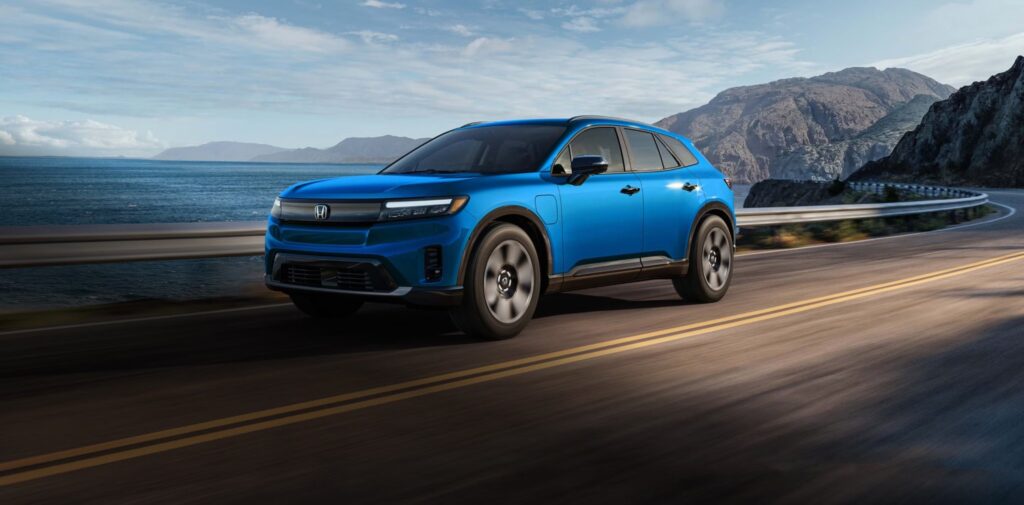
The Prologue is fully electric. No gas engine at all. An 85 kWh battery powers Dual-Motor AWD, which is standard on every trim.
Instead of visiting a gas station, you plug it in. For drivers who charge at home, that means leaving every morning with a full battery.
2026 Honda Hybrid and Electric Models Side by Side
Here’s how the Honda electrified lineup compares, using Honda Canada’s published figures.
| Model | Powertrain | Output | Efficiency or range | Drive |
|---|---|---|---|---|
| Civic Hybrid (sedan) | 2.0L + two motors | Up to 200 hp | 4.9 L/100 km combined | FWD |
| Accord Hybrid | 2.0L + two motors | Up to 204 hp | 5.3 L/100 km combined | FWD |
| CR-V Hybrid | 2.0L + two motors | Up to 204 hp | 6.4 L/100 km combined (Sport, EX-L, Touring) | Real Time AWD |
| Prologue | Battery-electric, 85 kWh | Up to 300 hp | Up to 473 km estimated range (EPA-based) | Dual-Motor AWD |
Honda Canada rates the TrailSport CR-V at 6.7 L/100 km combined. Honda Canada lists the Prologue’s estimated range at up to 473 km on the EX and EX-L and up to 455 km on the Touring (EPA-based estimates).
Hybrid vs Electric for Port Moody, Coquitlam and Port Coquitlam
Daily life in the Tri-Cities means short hops, school runs and traffic on the Barnet or Lougheed. Both powertrains handle that well. The real question is where you’ll top up.
Tri-Cities Commutes
Stop-and-go traffic suits electrified driving. Honda hybrids lean on their electric motors at low speeds, and that’s where they shine. Take a Civic Hybrid commute from Port Coquitlam to a SkyTrain park-and-ride: it’s quiet and efficient.
The Prologue is just as comfortable around town, and your daily distance probably sits well within its estimated range.
Condo and Apartment Living Without a Home Charger
Many Tri-Cities households live in strata buildings. If you don’t have a charger where you park, a hybrid is the natural pick. It recharges itself as you drive, so your parking spot never matters.
The Prologue fits well when your building gives you a way to charge. Ask yourself a few questions:
- Can I charge where I park every night?
- Does my strata allow charging in my stall?
- Do I want to plan around charging at all?
If the answers are mostly “no,” a Honda hybrid keeps things simple. If they’re “yes,” the Prologue is worth a test drive.
Long Trips and Winter Driving in British Columbia
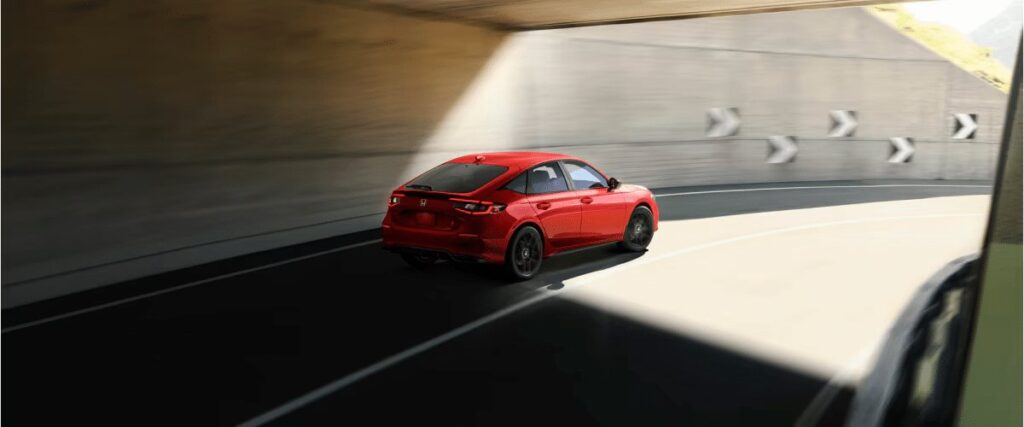
BC road trips test any vehicle. Mountain passes, long distances and changing weather all play a part.
Highway 1, the Coquihalla and Sea-to-Sky
A hybrid makes long drives easy. You fill up in minutes and keep going, whether you’re heading to Kamloops or Whistler. The 48.5 L Accord tank and the 53 L CR-V tank also give you plenty of distance between stops.
The Prologue handles these routes with confidence too. Its estimated range covers a lot of highway. You just plan your charging stops along the way, much like a coffee break.
Cold, Wet Winters and Mountain Grades
Winter is where AWD earns its keep. Real Time AWD is standard on every CR-V Hybrid trim, and Hill Start Assist helps on steep grades. For more, see our look at CR-V winter driving features.
The Prologue’s Dual-Motor AWD delivers planted traction in rain and snow, and its electric torque arrives instantly on hills. Keep in mind that range changes with cold weather and highway speed, just as fuel use does in any vehicle.
Which Driver Fits Which Honda?
Choose a Honda hybrid if you live in a condo, drive long BC highways or want winter travel with no planning. The CR-V adds standard AWD, while the Civic and Accords are rated even lower on fuel, at 4.9 and 5.3 L/100 km combined. Choose the Prologue if you can charge at home and love the idea of skipping gas stations altogether.
Westwood Honda serves drivers across the Tri-Cities, so you can compare both powertrains in person. Start by browsing the new Honda inventory to see which model fits your daily drive.
Frequently Asked Questions
What is the main difference between a hybrid car and an electric car?
A hybrid uses a gas engine and electric motors together, while an electric car runs only on battery power. Honda two-motor hybrids pair a 2.0-litre engine with two electric motors and charge their own battery as you drive. You never plug them in. The Honda Prologue is fully electric, with an 85 kWh battery that you charge from a plug.
Which is better, a hybrid or an electric car?
It depends on how you drive and where you park. A hybrid suits most drivers because it needs no plug and handles long trips and winter with ease. The Prologue suits drivers who can charge at home and want gas-free daily driving with Dual-Motor AWD. Both are excellent choices, so a test drive of each is the best way to decide.
What happens if a hybrid runs out of gas?
It needs gasoline to keep running, just like a regular gas car. The system keeps its battery charged while you drive, but the car cannot run without fuel once the tank is empty. If the fuel gauge gets low, refuel at any station and you’re back on the road in minutes. Topping up before long BC drives is always a smart habit.
How far can an electric car go?
Range varies by model, and the Honda Prologue is a good example. Honda Canada lists its estimated range at up to 473 km on the EX and EX-L and up to 455 km on the Touring (EPA-based estimates). That is far more than a typical day of Tri-Cities driving. Cold mornings and fast highway driving use more energy, while gentle city driving uses less.
Disclaimer: Content contained in this post is for informational purposes only and may include features and options from US or international models. Please contact the dealership for more information or to confirm vehicle and feature availability.