
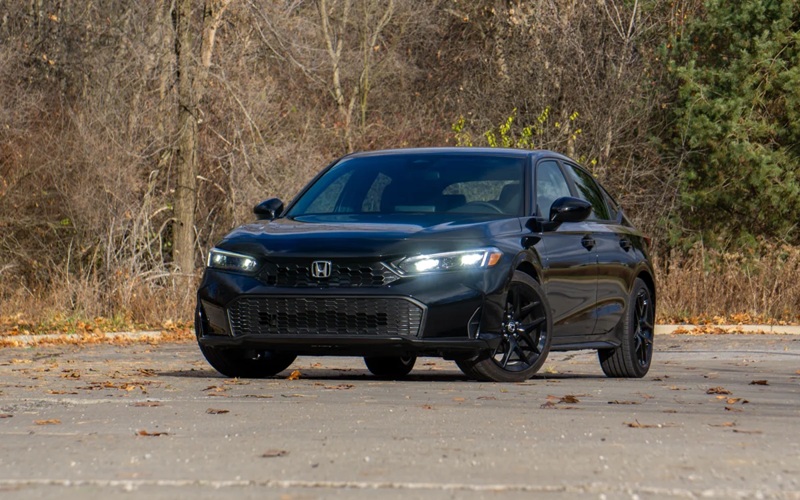
The Honda Civic continues to offer a range of modern powertrain options designed to balance efficiency, performance, and reliability. Engines are the core component of a vehicle’s powertrain, converting fuel or electrical energy into the mechanical force required to move the car. In the Civic lineup, different engine types are designed to meet the needs of drivers who prioritize efficiency, responsiveness, or hybrid technology.
Understanding the engines available in the Civic helps explain how the vehicle delivers its driving characteristics. Modern engines combine advanced fuel injection, electronic control systems, and efficient combustion designs to optimize performance while maintaining low fuel consumption.
Honda Civic Engine Options
The Civic lineup includes different engine technologies designed for efficiency and balanced performance. The two main categories of engines available are:
- Naturally aspirated gasoline engines
- Hybrid powertrain systems combining gasoline and electric propulsion
Each configuration uses advanced control systems and fuel delivery technology to improve efficiency and driving response.
Naturally Aspirated Gasoline Engine
Engine Architecture
The gasoline engine used in the Civic is a four-cylinder engine arranged in an inline configuration. In this layout, the cylinders are aligned in a single row within the engine block.
Inline four-cylinder engines are widely used in compact vehicles because they offer:
- Efficient packaging
- Balanced power delivery
- Lower mechanical complexity compared with larger engines
The engine converts fuel energy into mechanical motion through a series of controlled combustion events inside each cylinder.
Four-Stroke Combustion Cycle
Gasoline engines operate using a four-stroke cycle that repeats continuously while the engine runs.
The cycle consists of four stages:
- Intake stroke – Air enters the cylinder along with injected fuel.
- Compression stroke – The piston compresses the air–fuel mixture.
- Power stroke – A spark plug ignites the mixture, creating combustion.
- Exhaust stroke – Burned gases exit through the exhaust system.
These stages occur thousands of times per minute while the engine operates.
Fuel Injection System
Modern Civic engines use electronic fuel injection to deliver precise amounts of fuel into the combustion chamber.
Fuel injectors spray fuel as a fine mist that mixes with incoming air. Spark plugs then ignite the mixture.
Sensors monitor operating conditions such as airflow, throttle position, and engine temperature. This information is sent to the engine control unit, which adjusts fuel delivery to maintain efficient combustion.
Hybrid Powertrain System
Hybrid System Overview
Some Civic models use a hybrid powertrain that combines a gasoline engine with electric propulsion components.
The hybrid system includes:
- Gasoline engine
- Electric motor or motors
- Hybrid battery
- Power electronics that manage energy flow
These components work together to improve efficiency and reduce fuel consumption during everyday driving.
Electric Motor Function
The electric motor can assist the gasoline engine during acceleration. In some driving situations, the motor may power the vehicle at lower speeds.
Electric motors produce torque instantly, which helps improve responsiveness when starting from a stop.
Hybrid Battery
The hybrid battery stores electrical energy used to power the electric motor.
Energy is stored in the battery through regenerative braking, which captures energy during deceleration. Instead of losing this energy as heat, the system converts it into electricity and stores it for later use.
Power Control Unit
The hybrid system includes a power control unit that manages how energy flows between the engine, battery, and electric motor.
This unit determines when the gasoline engine should operate and when electric propulsion can be used. By optimizing this balance, the system improves efficiency during city and highway driving.
Air Intake System
The engine requires a continuous supply of clean air for combustion.
The intake system includes:
- Air filter
- Intake ducts
- Throttle body
- Airflow sensors
The air filter removes dust and debris before air enters the engine. Sensors measure the amount of air entering the system and send this information to the engine control unit.
Accurate airflow measurements allow the engine to maintain the correct air–fuel mixture.
Exhaust and Emissions Control
After combustion occurs inside the engine cylinders, exhaust gases exit the engine through the exhaust system.
Key components include:
- Exhaust manifold
- Catalytic converter
- Exhaust piping
- Muffler
The catalytic converter helps reduce emissions by converting harmful gases into less harmful compounds before they leave the tailpipe.
Emissions control systems help engines operate efficiently while reducing environmental impact.
Cooling System
Engines generate heat during combustion, and maintaining proper operating temperature is essential for performance and durability.
The cooling system includes:
- Radiator
- Coolant pump
- Thermostat
- Cooling fans
- Coolant passages within the engine block
Coolant absorbs heat from the engine and transports it to the radiator, where airflow removes the excess heat.
Maintaining stable engine temperature prevents overheating and helps ensure efficient operation.
Engine Control Systems
Modern vehicles rely heavily on electronic control systems to regulate engine operation.
The engine control unit processes information from sensors throughout the vehicle, including sensors that monitor:
- Engine speed
- Air intake volume
- Oxygen levels in the exhaust
- Engine temperature
Based on this data, the control unit adjusts fuel injection, ignition timing, and other parameters to maintain efficient combustion.
Transmission Interaction with the Engine
Although the transmission is separate from the engine itself, it plays an important role in how engine power reaches the wheels.
The transmission adjusts gear ratios so the engine can operate efficiently at different vehicle speeds.
Lower gears provide greater torque for acceleration, while higher gears allow the engine to operate at lower speeds when cruising.
This interaction between engine output and transmission gearing helps optimize both performance and efficiency.
Maintenance Considerations for Civic Engines
Maintaining engine performance requires periodic inspection of several components.
Typical maintenance areas include:
- Engine oil condition
- Air filter replacement
- Spark plug inspection
- Cooling system checks
Regular maintenance helps ensure the engine continues operating efficiently over time.
2026 Honda Civic FAQ Section
What engine types are available in the 2026 Honda Civic?
- It offers gasoline engines and hybrid powertrain options, depending on the trim configuration available in Canada.
How does a hybrid Civic engine work?
- A hybrid model combines a gasoline engine with an electric motor and battery. The system manages energy flow between these components to improve efficiency.
What is the advantage of a four-cylinder engine?
- Four-cylinder engines strike a balance between efficiency and performance while maintaining a compact, lightweight design.
How does regenerative braking help hybrid vehicles?
- Regenerative braking converts kinetic energy from deceleration into electricity, which is stored in the hybrid battery for later use.
What system controls engine operation in modern vehicles?
- The engine control unit manages fuel injection, ignition timing, and other engine functions using data from multiple sensors.
Disclaimer: Content contained in this post is for informational purposes only and may include features and options from US or internacional models. Please contact the dealership for more information or to confirm vehicle, feature availability.